
Aframomum melegueta
Aframomum melegueta
Description
Growing requirements
Aframomum melegueta is a herbaceous perennial plant belonging to the Zingiberaceae family. Native to West Africa, it thrives in the lush, humid environments of tropical rainforests where organic matter accumulation is high.
The crop requires a tropical climate characterized by consistently high temperatures and significant rainfall. It is sensitive to direct sunlight and thrives best in shaded environments, often integrated into agroforestry systems as an understory crop.
For optimal growth, the soil must be fertile, well-draining, and rich in humus. Waterlogging can cause rhizome rot, while excessive dryness prevents the formation of the fleshy fruit capsules that house the valuable seeds.
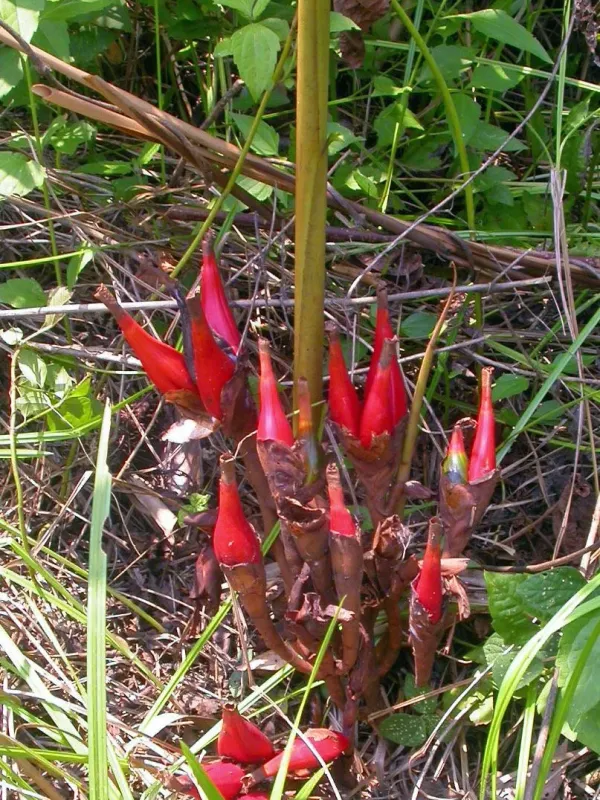
The plant features long, lanceolate leaves and develops distinctive, trumpet-shaped flowers. Its rhizomatous root system allows it to propagate vegetatively, forming dense clumps that can expand over several growing seasons.
Known commercially as Grains of Paradise, the seeds are harvested for their pungent, peppery flavor with notes of citrus and ginger. It remains a staple in West African culinary traditions and has found a niche in the global craft distilling and spice markets.
Main diseases and pests
While relatively robust, Aframomum melegueta is susceptible to fungal infections during the rainy season if soil aeration is poor. Root rot, caused by various species of Pythium or Phytophthora, is the most common threat to the crop.
Pest pressure from insects that bore into the stalks or fruits can significantly reduce yield. Regular scouting of the plantation for signs of localized wilting or larval activity is essential for timely management.
Nematodes can also pose a serious threat to the rhizomes in sandy soil conditions. Implementation of crop rotation or the use of organic amendments can help suppress these soil-borne pathogens effectively.
Maintaining the right planting density is crucial to minimize the spread of airborne pathogens. Proper spacing ensures adequate airflow, which is the primary defense against foliage diseases in high-humidity environments.
Integrated pest management strategies are recommended over chemical pesticides to preserve the quality of the spice. Using mulching techniques can suppress weed growth and help regulate soil moisture, reducing environmental stress on the plants.
Harvesting
Harvesting usually occurs when the fruit capsules transition from green to a yellowish or brownish hue, indicating maturity. The capsules are harvested by hand to prevent mechanical injury to the rhizome structure.
Post-harvest processing involves peeling the fruit to extract the small, reddish-brown seeds. These seeds must be cleaned and dried immediately under controlled conditions to prevent mold formation and flavor loss.
Sun-drying is the traditional method used to reduce the seed moisture content. Constant monitoring is required to ensure uniform drying without subjecting the seeds to excessive heat that could degrade the aromatic volatile compounds.
Once dried to the correct moisture level, the seeds are winnowed to remove any husk residue. The final product is graded based on the intensity of its aroma and the cleanliness of the batch before being shipped to processing facilities.
The shelf life of the dried seeds is significant if kept in a cool, dark, and dry environment. Consistent quality control during the harvest and drying stages is the key factor in achieving market-ready standards for this premium spice.