
Aframomum citratum
Aframomum citratum
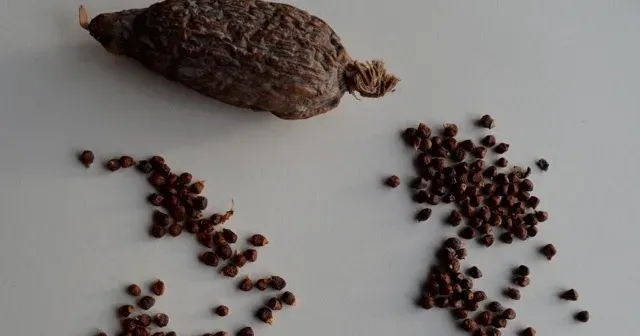
Description
Sowing dates
Aframomum citratum is a perennial plant belonging to the Zingiberaceae (ginger) family, primarily valued for its aromatic seeds and flavorful rhizomes used in culinary traditions.
In agricultural settings, propagation is typically achieved through the division of healthy rhizomes, ensuring the genetic stability and vigour of the new plantation.
The optimal planting time coincides with the start of the rainy season, allowing the plants to establish a strong root system before the onset of drier conditions.
When using seeds, they must be sown in a well-drained, nutrient-rich nursery substrate. Germination requires consistent warmth and protection from direct, harsh sunlight.
Standard planting density is crucial; spacing plants appropriately ensures optimal air circulation and minimizes competition for sunlight and soil nutrients.
Growing requirements
As a tropical species, Aframomum citratum thrives in warm climates, requiring temperatures consistently between 22°C and 30°C for robust growth.
The species prefers fertile, well-drained sandy loam soils rich in organic matter. Waterlogging must be avoided at all costs, as it quickly leads to rhizome decay.
The plant performs best under dappled shade or partial light conditions. Intense, direct sun exposure during the hottest parts of the day can cause leaf scorch.
Regular mulching is highly recommended to conserve soil moisture and suppress weed growth, which is particularly important during the first year of establishment.
Soil pH should ideally be neutral or slightly acidic. Monitoring nutrient availability is key to maintaining high levels of the essential oils that give the plant its characteristic lemon aroma.
Main diseases and pests
Fungal pathogens are the most common concern, especially during seasons with excessive rainfall where poor drainage leads to stagnant water around the root zone.
Nematode infestations can severely stunt plant growth and reduce rhizome yields, necessitating crop rotation strategies to break the pest cycle.
Leaf-feeding insects occasionally impact the photosynthetic capacity of the plants, requiring integrated pest management practices to maintain plantation health.
Prevention relies on using disease-free planting material and maintaining field hygiene by removing any plants showing signs of wilt or rot.
Early identification of pest populations through regular field scouting allows for targeted interventions, minimizing the need for heavy chemical usage.
Harvesting
Harvesting typically occurs when the foliage begins to senesce and turn yellow, signaling that the rhizomes have reached maturity and maximum oil concentration.
Rhizomes are carefully excavated by hand to prevent mechanical damage, as cuts or bruises on the rhizome surface can lead to microbial degradation during storage.
Once harvested, the product should be cleaned of soil debris and dried in a well-ventilated, shaded area to preserve its aromatic profile and prevent mold.
The seeds are harvested when the pods are fully ripe; they are extracted and dried to serve as a high-value spice in various international markets.
Proper storage is essential; the final dried product must be kept in cool, dry conditions to ensure the long-term stability of its volatile essential oils.