
Aframomum alboviolaceum
Aframomum alboviolaceum
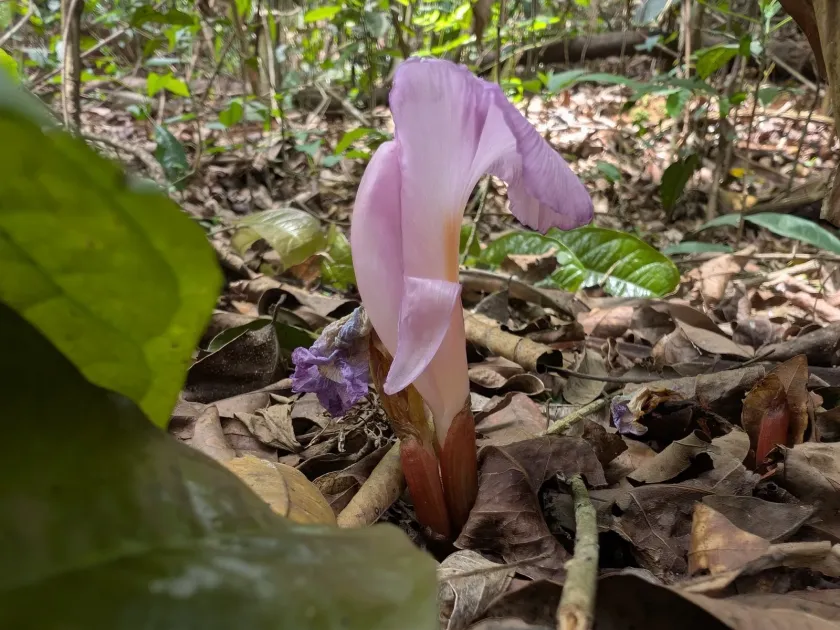
Description
Growing requirements
Aframomum alboviolaceum is a perennial herbaceous plant belonging to the Zingiberaceae family. This species is native to the tropical forests of West and Central Africa, where it thrives in the understory of dense woodland environments.
The plant is characterized by its rhizomatous growth habit, producing tall leafy stems that can reach heights of up to two meters. The leaves are typically lanceolate, thin, and arranged in an alternate pattern along the succulent stems.
Optimal cultivation requires a tropical climate with high humidity and consistent rainfall. The soil should be fertile, well-draining, and rich in organic matter, mimicking the forest floor conditions of its natural habitat.
Regarding light requirements, this crop performs best in partial shade, as excessive direct sun exposure often leads to leaf scorching and premature desiccation of the stems.
Economically, the plant is valued for its fruits and seeds, which contain compounds similar to those found in other Aframomum species. These are frequently used as local spices, flavoring agents, and in traditional medicinal formulations across Africa.
Main diseases and pests
One of the primary threats to Aframomum alboviolaceum cultivation is the development of soil-borne fungal pathogens, particularly in areas with poor drainage and stagnant moisture.
Pests such as shoot-boring insects can pose a significant challenge by damaging the internal tissues of the stems, leading to reduced vigor and potentially compromising the yield of the fruit.
Nematode infestations in the root zone are another common agronomic problem that requires careful soil management and the potential use of organic amendments to suppress pest populations.
Cultural control methods, such as clearing debris from around the base of the plant and maintaining optimal spacing, are essential to minimize the risk of disease spread within the plantation.
Integrated pest management strategies focusing on monitoring and early intervention are highly recommended to ensure the longevity and productivity of the crop without relying on excessive chemical inputs.