
Aerangis umbonata
Aerangis umbonata
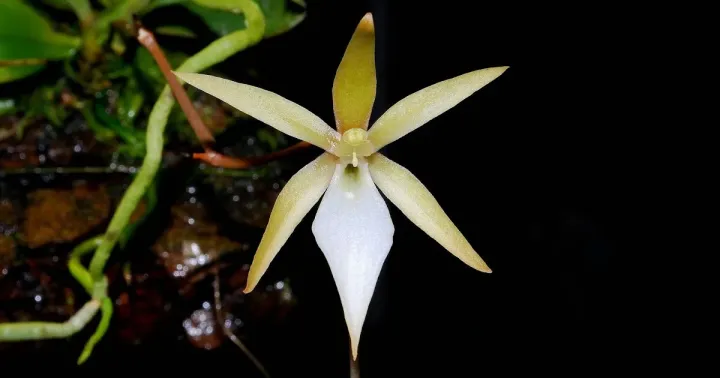
Description
Growing requirements
Aerangis umbonata is a fascinating epiphytic orchid species belonging to the Orchidaceae family. It is native to the montane forest ecosystems of Tanzania, where it grows attached to trees in highly humid and sheltered environments.
Botanically, this species is defined by its compact habit and distinct, umbonate spurs on its flowers. Its small, dark green leaves form a tidy rosette, while the pendulous inflorescences produce delicate white blooms, making it a prized specimen for specialized collections.
To successfully cultivate this species, high humidity levels ranging between 60% and 80% are essential. Given its epiphytic nature, it thrives when mounted on cork or tree fern slabs, which provide the necessary aeration for its delicate root system.
The climate requirements include stable, intermediate to warm temperatures. It is crucial to maintain a consistent environment without significant fluctuations, which could inhibit growth or cause the plant to lose its vitality.
Light levels should be diffused and bright, avoiding direct sunlight which can easily scorch the foliage. Proper ventilation is equally important, as it mimics the natural airflow of its native mountainous habitat and prevents the build-up of stagnant water.
Main diseases and pests
The most common health issues for Aerangis umbonata stem from improper watering practices, particularly water accumulation in the leaf axils. This often leads to bacterial or fungal rot, which can quickly compromise the plant's structure.
Pest threats include common orchid invaders like spider mites and scale insects. Maintaining hygiene and optimal humidity levels is the best defense, though systemic insecticides may be necessary if a severe infestation occurs in the growing area.