
Aerangis ugandensis
Aerangis ugandensis
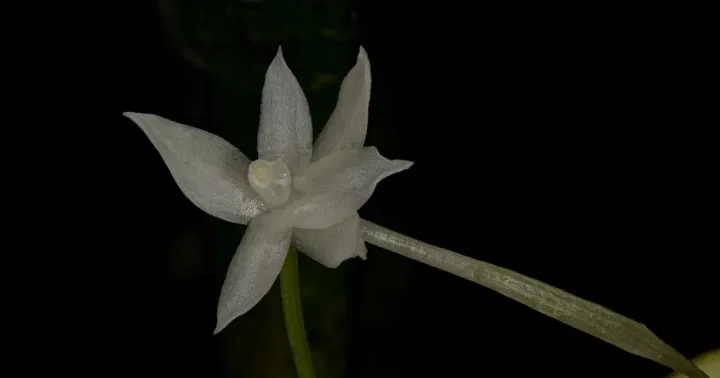
Description
Growing requirements
Aerangis ugandensis is a distinctive species of epiphytic orchid within the Orchidaceae family. It is native to the tropical forests of Uganda and adjacent Eastern African territories, where it thrives in humid and high-altitude forest ecosystems.
Botanically, the plant features a monopodial growth habit with leathery, succulent-like leaves arranged in a fan-like structure. The roots are thick and possess a specialized velamen layer, which is essential for capturing atmospheric moisture and nutrients in its native canopy environment.
Agricultural requirements for successful cultivation include high relative humidity, typically maintained between 70% and 85%. Due to its epiphytic nature, it should be mounted on cork bark or grown in baskets with minimal substrate to ensure rapid drainage and air circulation around the root zone.
Temperature control is vital for this species, favoring an intermediate climate. Daytime temperatures should ideally range from 22°C to 26°C, with a slight drop during the night to mimic natural diurnal variations, which helps stimulate healthy metabolism and blooming.
The economic value of this orchid is strictly ornamental. It is primarily managed by botanical gardens and specialized hobbyists. Because it is a rare species, it is not grown for mass agricultural production but remains highly sought after in the high-end nursery and hobbyist market.
Main diseases and pests
The primary threats to Aerangis ugandensis include root rot caused by overwatering or poor ventilation in the growing medium. Bacterial pathogens can proliferate if the plant remains waterlogged for extended periods, leading to the rapid decay of the root system.
Spider mites are a common pest problem, particularly when environmental humidity is not strictly managed. These mites puncture plant cells, causing yellowing and a loss of vigor, which can eventually lead to the plant's death if left untreated.
Scale insects are another significant concern, often hiding under the leaf base or along the stem. Their presence can introduce secondary infections and weaken the plant, requiring diligent manual removal or application of specific horticultural oils.
Prevention relies heavily on sanitation and cultural practices. Proper air movement is the best defense against fungal pathogens; a small fan used to ensure gentle airflow around the plants can significantly reduce the risk of mold and bacterial colonization.
Regular inspection is recommended to identify early signs of infestation. Integrated pest management, focusing on biological controls and minimizing synthetic chemical use, ensures the long-term health and vitality of this delicate tropical culture.