
Aerangis hariotiana
Aerangis hariotiana
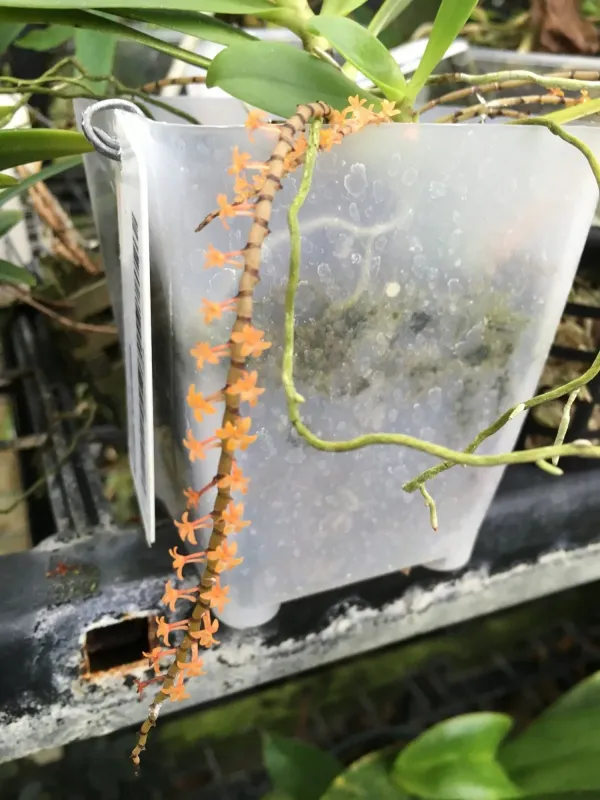
Description
Growing requirements
Aerangis hariotiana is a fascinating epiphytic orchid species belonging to the Orchidaceae family. It is native to the tropical forests of Madagascar, where it grows as an epiphyte on tree branches.
To cultivate this plant successfully, one must replicate its natural environment, characterized by high atmospheric humidity and constant air movement. The species thrives when placed in conditions that mimic tropical canopy habitats.
The optimal temperature range for the development of Aerangis hariotiana is between 18°C and 25°C. It is crucial to maintain stable conditions without significant drops that could shock the delicate root system.
Lighting should be bright but filtered to avoid direct sun exposure, which can scorch the foliage. Using shaded locations is recommended for indoor cultivation to ensure steady photosynthetic activity.
Since it is an epiphyte, Aerangis hariotiana requires a very airy substrate, such as pieces of pine bark or charcoal. It should never be planted in soil, as the roots must be exposed to oxygen.
Main diseases and pests
Root rot is the most common threat, usually caused by stagnant moisture around the roots. Ensuring the substrate dries out sufficiently between waterings is a key strategy for disease prevention.
Spider mites are common pests that thrive in dry indoor conditions. Increasing ambient humidity and using appropriate mite-control products can help mitigate these infestations effectively.
Bacterial soft rot can occur if water settles in the crown or leaf axils for an extended period. Proper ventilation is the primary defense against such pathogens in controlled environments.
Scale insects may also attach themselves to the stems and leaves. Regular physical inspection of the plant allows for the early removal of pests before they spread throughout the collection.
The use of fungicides should be strictly limited to cases of active infection, choosing products specifically formulated to be safe for epiphytic orchids to avoid chemical damage.