
Aerangis ellisii
Aerangis ellisii
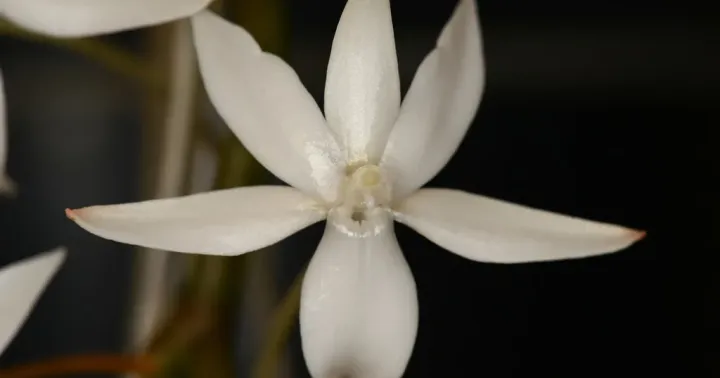
Description
Growing requirements
Aerangis ellisii belongs to the Orchidaceae family. It is an epiphytic species native to the tropical forests of Madagascar, characterized by its monopodial growth habit and lack of pseudobulbs, which requires specific horticultural attention.
For successful cultivation, maintaining a high atmospheric humidity level of 70–80% is essential. The environment must feature constant, gentle air circulation to prevent stagnant conditions that often lead to foliage decay.
The temperature regime should be kept in the moderate to warm range. Daytime temperatures should ideally range from 22–26°C, with a necessary nocturnal drop of 4–6 degrees to stimulate natural physiological processes.
The substrate must provide optimal aeration for the roots. Mounting on cork oak bark or using a loose mix of coarse pine bark, charcoal, and sphagnum moss is recommended to replicate the plant's natural habitat.
The plant requires bright but diffused light. Direct sunlight is harmful and causes severe leaf scorching. Growers should utilize shading screens to maintain an intensity of approximately 15,000 to 20,000 lux.
Main diseases and pests
Common pests affecting Aerangis ellisii include spider mites, which thrive in low humidity, and scale insects, which can cause significant damage if not detected in the early stages.
Fungal pathogens such as black rot are the primary threat during cooler, damper months, especially if the substrate remains waterlogged for extended periods.
Bacterial spot diseases are frequently caused by poor ventilation and the presence of residual water on leaves after watering or misting, creating a breeding ground for pathogens.
Proactive management includes regular inspections of the crown and root zone, combined with the application of specialized fungicides and insecticides when necessary.
Water quality is critical; using mineral-rich tap water can lead to the accumulation of salts in the substrate, damaging the delicate roots and reducing the plant's overall vigor.