
Aerangis alcicornis
Aerangis alcicornis
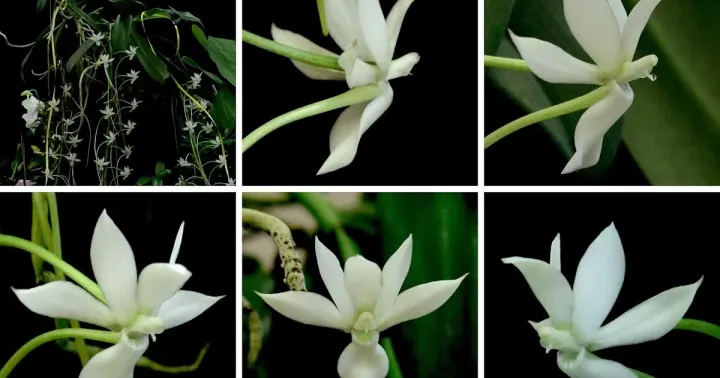
Description
Growing requirements
Aerangis alcicornis is an epiphytic orchid belonging to the Orchidaceae family. It is native to the tropical forests of West and Central Africa, where it thrives in humid canopy environments, anchoring itself to tree branches and bark.
The plant features small, leathery leaves arranged in a fan-like or rosetted structure. Its roots are thick, grayish, and highly adapted to absorb moisture from the humid air, characteristic of orchids that do not grow in soil.
Cultivation requires strict adherence to tropical climate parameters. Growers should maintain a temperature range between 20°C and 25°C, ensuring high humidity levels consistently above 70%. Good ventilation is essential to mimic the forest breeze and prevent stagnation.
Light management is crucial, as the species prefers bright, filtered light. Exposure to direct sunlight can severely damage the foliage, leading to dehydration and necrotic spots. Providing a light-shading screen or placing the plant in an east-facing window is recommended.
The primary use of this species is in specialized horticulture and orchid hobbyist collections. Due to its unique appearance and fragrant nocturnal blooms, it is highly sought after by botanical enthusiasts who focus on exotic tropical indoor gardening.
Main diseases and pests
The most common pests affecting this orchid are scale insects and mealybugs, which tend to hide in the axils of the leaves. Manual removal combined with the application of horticultural oils is an effective management strategy.
Root rot is the most common health issue, triggered by poor substrate drainage or overly frequent watering in cool weather. Maintaining a balanced watering schedule and ensuring the root system can dry out appropriately is vital for long-term health.