
Aechmea dichlamydea x Aechmea fendleri
Aechmea dichlamydea x Aechmea fendleri
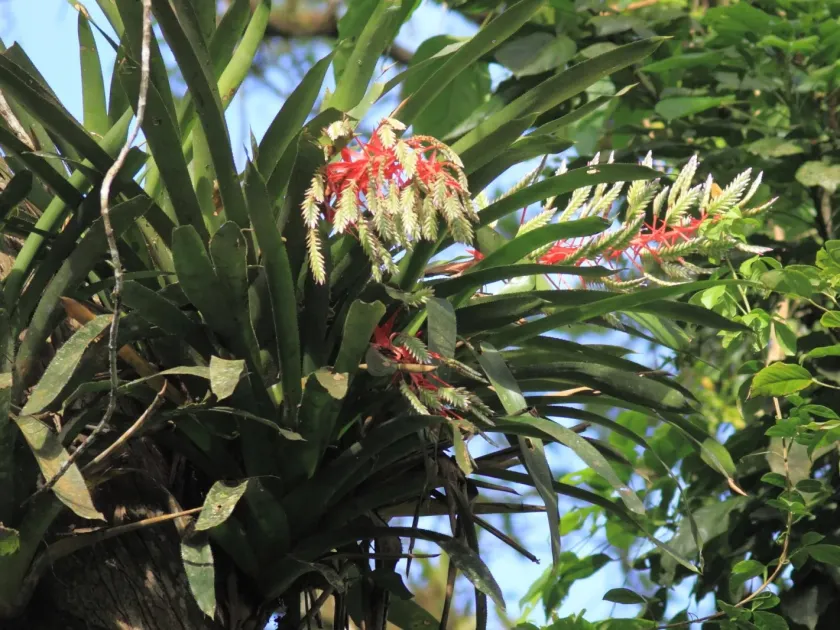
Description
Growing requirements
Aechmea dichlamydea x Aechmea fendleri is a specialized hybrid belonging to the Bromeliaceae family. Originating from tropical environments in Central and South America, this plant is adapted to epiphytic or terrestrial life in high-humidity forests.
To ensure healthy development, cultivators must provide a temperature range between +20°C and +25°C. The species is sensitive to frost and sudden temperature drops, necessitating indoor or greenhouse conditions for year-round success.
The ideal growing medium is an airy, well-draining substrate typically composed of pine bark, peat moss, and charcoal. This composition prevents root compaction and maintains the balance between moisture and oxygen circulation.
Consistent high humidity is crucial, ideally staying above 60%. The watering technique involves filling the central rosette of the plant, which serves as a natural reservoir, ensuring it is refreshed regularly to avoid rot.
This hybrid is primarily cultivated for ornamental purposes. Its unique inflorescence structure makes it a highly prized specimen in interior landscaping, greenhouses, and private botanical collections for its aesthetic appeal.
Main diseases and pests
The primary threat to this bromeliad is fungal rot caused by water stagnation within the leaf axils. Improper drainage or excessive watering in low-light conditions often triggers rapid tissue breakdown and decay.
Pest infestations, particularly scale insects and mealybugs, are frequent in managed collections. These pests thrive in the sheltered crevices of the leaf base, feeding on the plant's sap and weakening its structure.
Spider mites represent a significant risk, particularly in environments with poor air circulation or low ambient humidity. They can quickly damage the leaves, causing unsightly spots and reducing the plant's overall vigor.
Management strategies involve rigorous hygiene, such as cleaning the central tank periodically to flush out mineral buildup and potential pathogens. Systemic pesticides should be applied strictly according to the level of infestation.
Preventative care also includes ensuring adequate light levels to promote photosynthesis. Lack of light can lead to etiolation and increased susceptibility to diseases, making the plant less resilient to external stressors.