
Aechmea dichlamydea var. trinitensis
Aechmea dichlamydea Baker var. trinitensis L. B. Sm.
Description
Growing requirements
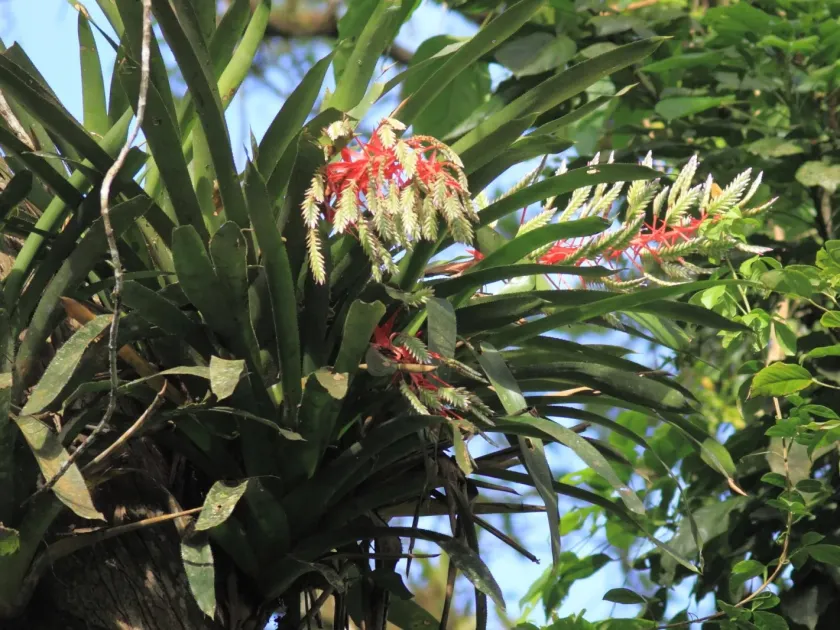
Aechmea dichlamydea var. trinitensis is an epiphytic herbaceous plant belonging to the Bromeliaceae family. Native to the Caribbean region, particularly Trinidad, this plant naturally thrives in tropical rainforests, utilizing tree branches as a base for its growth.
The plant features a stiff, rosette-forming arrangement of leaves that act as a central reservoir for water and essential nutrients. During the reproductive phase, it produces a distinct, vibrant inflorescence that remains visually appealing for an extended period.
Successful cultivation requires maintaining temperatures between 20–25 degrees Celsius. High atmospheric humidity is essential, as the plant depends on foliar moisture absorption, effectively mimicking its natural humid habitat in controlled environments.
The substrate must prioritize drainage and aeration over moisture retention. A mix consisting of pine bark, perlite, and peat moss is highly recommended to prevent the root system from becoming waterlogged, which is a common cause of plant loss.
Bright, indirect light is necessary for healthy development and consistent flowering. In professional greenhouses, proper light management, including the use of shade cloth, is crucial to protect the foliage from ultraviolet-induced burns while ensuring photosynthetic productivity.
Main diseases and pests
Fungal and bacterial rots are the most significant threats to this species, usually triggered by stagnant water in the leaf axils or improper drainage. Maintaining good airflow is the most effective preventative measure against these systemic pathogens.
Scale insects are primary pests that infest the leaf surfaces, causing localized yellowing and plant debilitation. These pests are notoriously difficult to control due to their protective coverings, requiring systemic insecticides for effective eradication.
Mealybugs are frequently found in the sheltered, moist bases of the leaves. Early detection is vital, as these insects reproduce rapidly and can quickly compromise the structural integrity of the leaf rosette if left untreated.
Root rot, caused by various soil-borne fungi, often stems from using non-sterile growing media or excessive irrigation. Implementing strict hygiene standards, such as sanitizing potting tools and pots, significantly reduces the incidence of soil-borne diseases.
Vigilant monitoring of the plant's health is essential for commercial production. Any sign of discoloration or stunted growth should be addressed immediately through a thorough inspection of both the foliage and the root system to identify the underlying cause.