
Aechmea coelestis
Aechmea coelestis (K. Koch) E. Morren
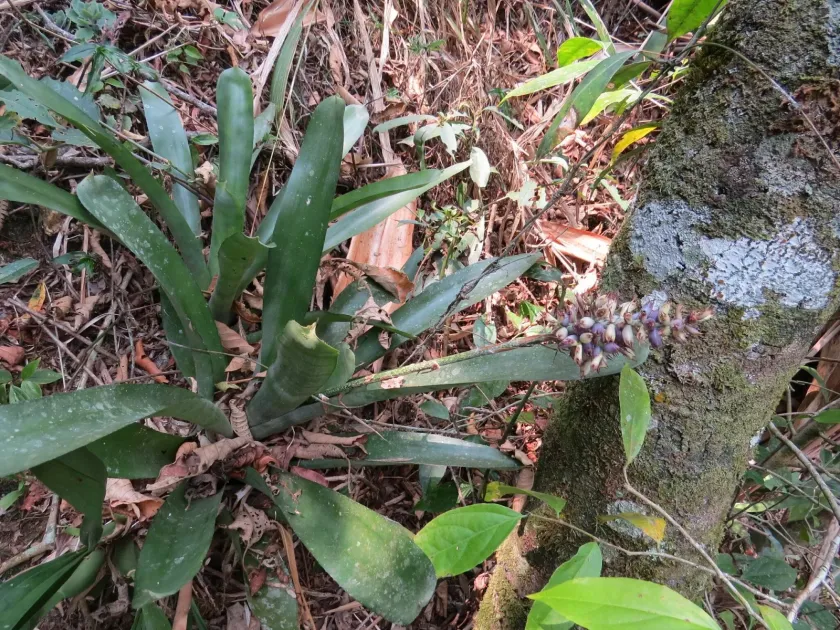
Description
Growing requirements
Aechmea coelestis is a fascinating species within the Bromeliaceae family. Originating from the tropical forests of Brazil, this plant is well-known for its architectural beauty and its distinct ability to adapt to epiphytic life in high-humidity canopy environments.
Botanically, the plant forms a rosette of stiff, leathery leaves with serrated margins. The inflorescence is a standout feature, producing a spike of vibrant blue flowers nestled within colorful bracts, making it a popular choice for indoor botanical collections.
Cultivation requires bright, indirect light to maintain the structural integrity and coloration of the foliage. Excessive exposure to direct sunlight can damage the leaf tissue, while insufficient light often leads to stunted growth and failure to bloom during the maturity phase.
The substrate must be highly porous to ensure efficient drainage. A blend of pine bark, peat moss, and perlite is ideal for mimicking the natural environment of the plant, preventing root rot and providing necessary anchorage for the developing root system.
Agrotechnical maintenance focuses on the water quality and application method. Water should be added to the central cup (rosette) rather than the soil during the summer months, using only soft water to avoid mineral buildup that can clog the leaf scales.
Main diseases and pests
The primary threat to the health of Aechmea coelestis is fungal infection triggered by stagnant water in the center of the rosette combined with low temperatures. Such conditions facilitate the rapid development of crown rot, which is often fatal to the plant.
Scale insects and mealybugs are the most common pests encountered in commercial and home cultivation. These pests typically hide in the tight bases of the leaves, making them difficult to detect until they have already caused significant damage to the plant tissue.
Spider mites represent a secondary threat, particularly in environments where humidity is not strictly regulated. These pests thrive in dry air, causing the foliage to lose its natural luster and develop characteristic stippling or bleaching effects.
Effective management of these pests requires a combination of physical removal, such as washing the leaves with diluted insecticidal soap, and the judicious use of systemic pesticides when infestations are widespread and pose a threat to the plant's survival.
Cultural prevention remains the best defense: maintaining proper ventilation, avoiding overhead watering in cool climates, and conducting weekly visual inspections ensure that the plant remains resilient against potential biological threats throughout the year.