
Aechmea aquilega
Aechmea aquilega (Salisb.) Griseb.
Description
Growing requirements
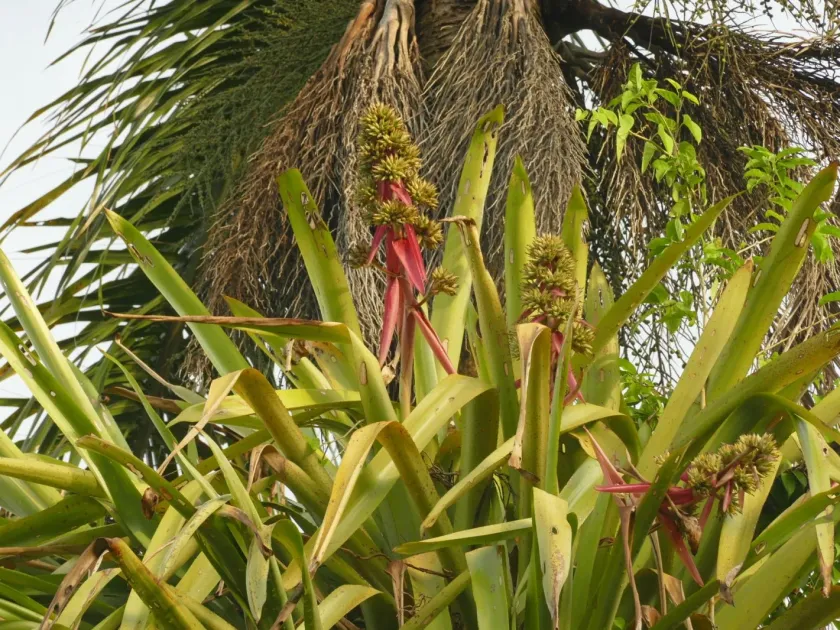
Aechmea aquilega is a striking member of the Bromeliaceae family, native to the tropical regions of South America. This plant is known for its large, sculptural rosette composed of stiff, serrated leaves that hold water in the wild.
The cultivation of this species requires bright, indirect light to maintain its vibrant coloration. Direct sun exposure should be avoided as it can scorch the foliage, while insufficient light may result in weak, elongated leaf growth.
Temperature requirements are consistent with tropical climates, ideally ranging between 18 and 25 degrees Celsius. Protection from cold drafts and sudden temperature fluctuations is critical to prevent plant stress and dormancy.
A well-draining, airy potting medium is essential for root health. A mixture of pine bark, peat moss, and perlite is recommended to simulate the natural epiphyte growing conditions and prevent waterlogging.
Irrigation practices involve filling the central tank (rosette) with clean, soft water. It is important to refresh the water periodically to avoid bacterial buildup and maintain high humidity around the plant.
Main diseases and pests
Pathogenic threats are primarily associated with excessive humidity in the soil and standing water in the leaf axils. These conditions facilitate the development of fungal and bacterial rots which can be fatal to the plant.
Pests such as scale insects and mealybugs are the most common adversaries in indoor or greenhouse settings. They typically congregate at the base of the leaves, weakening the plant by extracting its sap.
Integrated pest management should include regular inspection of the leaf bases and cleaning surfaces. If an infestation occurs, application of horticultural oils or specific systemic insecticides is necessary.
Spider mites can become a problem in environments with low humidity, particularly during the winter months. Maintaining high ambient humidity levels serves as a natural deterrent against these pests.
Overall, successful maintenance of Aechmea aquilega depends on maintaining a balance between moisture, light, and airflow. Timely identification of any physiological or pathological issues is key to plant longevity.