
Aechmea pineliana
Aechmea pineliana
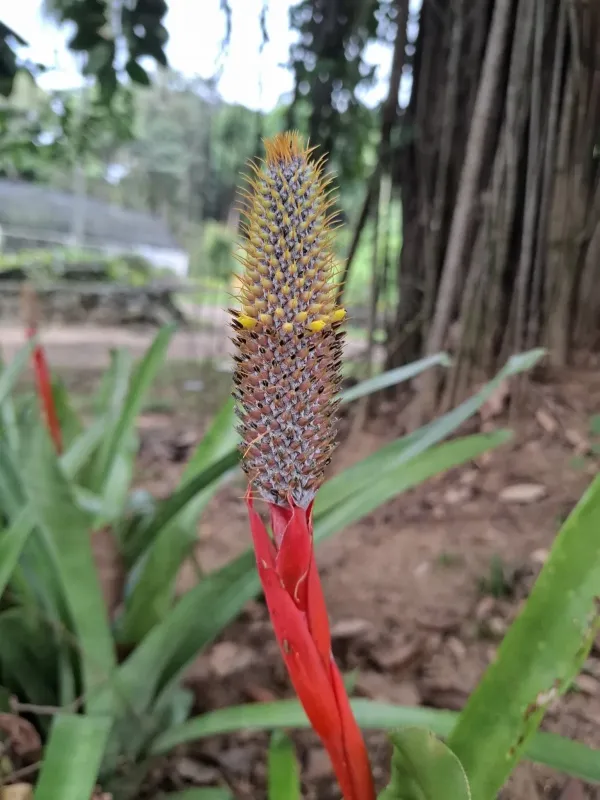
Description
Growing requirements
Aechmea pineliana is an exotic species belonging to the Bromeliaceae family, native to the coastal regions of Brazil. As an epiphyte, it has evolved to thrive in high-humidity environments, usually perching on tree branches where drainage is near-perfect.
The cultural requirements for this plant emphasize bright, indirect sunlight. While it appreciates high light levels, direct afternoon exposure can scorch the foliage; therefore, positioning it near east-facing windows is often the most effective strategy for home cultivation.
Temperature management is critical for the health of Aechmea pineliana. It prefers warm conditions between 20°C and 25°C, and it is sensitive to cold drafts. Temperatures falling below 12°C can significantly compromise the plant's metabolic processes and structural integrity.
A well-aerated, coarse-textured substrate is mandatory. Growers typically utilize a mix containing pine bark, perlite, and a small amount of peat moss to mimic the airy conditions of a forest canopy, ensuring that roots are never waterlogged but remain consistently moist.
Watering practices are unique for this species; the central tank formed by the rosette should be kept filled with clean, soft water. It is essential to flush the tank periodically to prevent the accumulation of minerals and decaying organic matter that could harbor bacteria.
Main diseases and pests
Scale insects are a primary threat to Aechmea pineliana, often hiding under the leaves or at the base of the rosette. These pests weaken the plant by feeding on sap, often leading to secondary infections if they are not detected and treated early.
Root rot is the most common physiological disorder caused by excessive soil moisture and poor drainage. If the growing medium remains soggy, the root system will quickly decay, which eventually leads to the collapse of the entire leaf rosette.
Spider mites frequently target this plant when the surrounding air is too dry. Maintaining a humidity level of at least 60% is a key preventative measure, as these mites thrive in arid, poorly ventilated indoor environments during the heating season.
Mealybugs can cluster in the tightly packed leaf bases, making them difficult to reach with standard contact sprays. Manual cleaning with a cotton swab dipped in isopropyl alcohol is often more effective than traditional chemical treatments for smaller infestations.
Fungal infections can develop if water collects in the center of the plant during periods of cool temperatures. To mitigate this risk, it is recommended to reduce water in the tank during the winter months and ensure adequate ventilation throughout the growing area.