
Aechmea luedemanniana
Aechmea luedemanniana
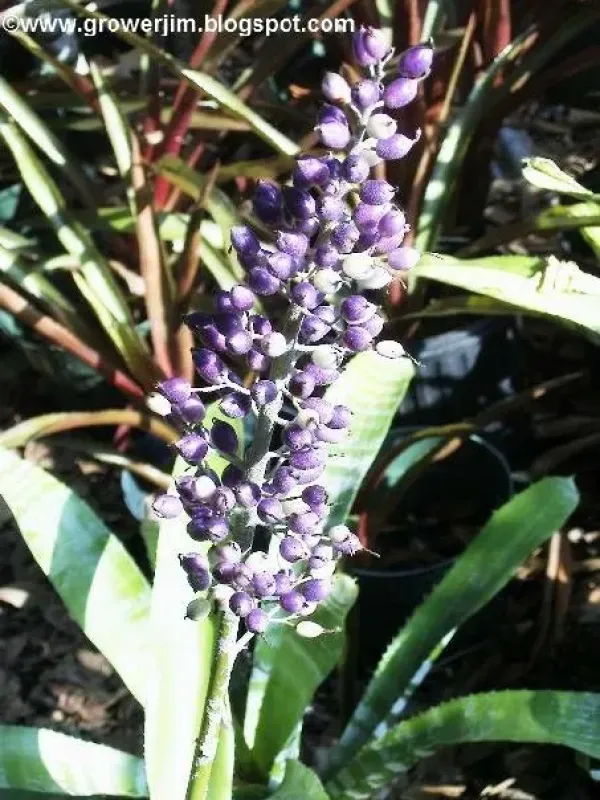
Description
Growing requirements
Aechmea luedemanniana belongs to the Bromeliaceae family and is native to the tropical regions of Mexico and Central America, where it thrives in warm, humid conditions.
In its natural habitat, this plant grows as an epiphyte, utilizing its root system primarily for anchorage on tree trunks and gathering nutrients from organic debris.
Cultivation requires a well-draining, loose growing medium, such as a mixture of orchid bark, peat, and perlite, to prevent the roots from becoming waterlogged.
The plant performs best in bright, indirect light, which mimics the filtered sunlight found beneath the forest canopy in its native environment.
Watering should focus on filling the central tank of the rosette with clean, soft water, while maintaining moderate soil moisture levels to ensure the plant remains hydrated.
Main diseases and pests
Scale insects are common pests for this species, frequently colonizing the base of the leaves and extracting sap, which weakens the overall health of the plant.
Mealybugs can also infest the tight crevices of the foliage, necessitating prompt treatment with horticultural oils or targeted insecticidal soaps.
Crown rot remains a significant threat if stagnant water remains in the rosette for too long, especially in environments with poor air circulation or low temperatures.
Spider mites may become a nuisance in dry, indoor environments, making regular misting and maintaining humidity levels essential for long-term health.
Effective management involves consistent monitoring of the plant, ensuring good airflow, and applying protective measures at the first sign of pest infestation.