
Amur adonis
Adonis amurensis Regel & Radde
Description
Growing requirements
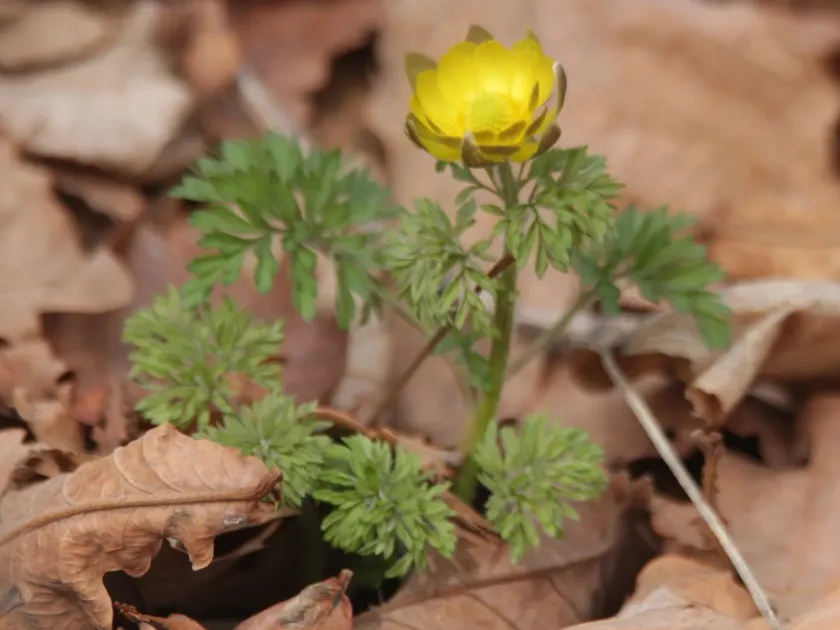
Amur adonis (Adonis amurensis) is a perennial herb belonging to the Ranunculaceae family, native to East Asia. It is widely recognized as a cold-hardy ephemeral, known for its early blooming cycle that begins as soon as the snow melts in the spring.
This crop prefers semi-shaded areas with well-drained, humus-rich soil. It is critical to ensure that the site has excellent drainage, as the fleshy root system of the Amur adonis is highly susceptible to root rot if waterlogged conditions persist.
The cultural requirements include maintaining high soil fertility through organic amendments. It performs best when grown in environments that mimic forest floor conditions, characterized by loose soil texture and consistent moisture levels during the spring growth phase.
Cultivation practices involve proper site selection to ensure the plants are dormant during the summer heat. Amur adonis is a slow-growing plant that requires minimal intervention once established, provided the soil structure remains loose and aerated.
Propagation is generally performed through root division or fresh seed sowing. Given the specific dormancy requirements of the seeds, they should be sown immediately upon collection to ensure successful germination in the following spring season.
Main diseases and pests
The primary agronomic threat to Amur adonis is fungal decay, particularly root rot, which occurs in poorly drained soils. Managing the hydrological regime is the most effective way to prevent these soil-borne diseases from affecting the plant stand.
Slugs and snails are the most common pests that pose a threat to the succulent foliage and young flower buds. Integrated pest management strategies, including baiting and debris removal, are necessary to protect the plant during the early growth stage.
Aphids may occasionally infest the plants, causing structural weakness and reduced vigor. Control measures should include regular monitoring and the application of horticultural oils or approved insecticides if economic thresholds are exceeded.
Fungal leaf spot diseases can become a problem if the planting density is too high or if air circulation is obstructed. Maintaining adequate spacing between individual plants is a fundamental preventive measure against the rapid spread of infections.
Overall, maintaining the plant's health through proper site management significantly reduces the need for chemical intervention. Healthy specimens are typically robust enough to resist environmental stresses and minor pest infestations without significant yield loss.