
Desert rose
Adenium obesum (Forssk.) Roem. & Schult.
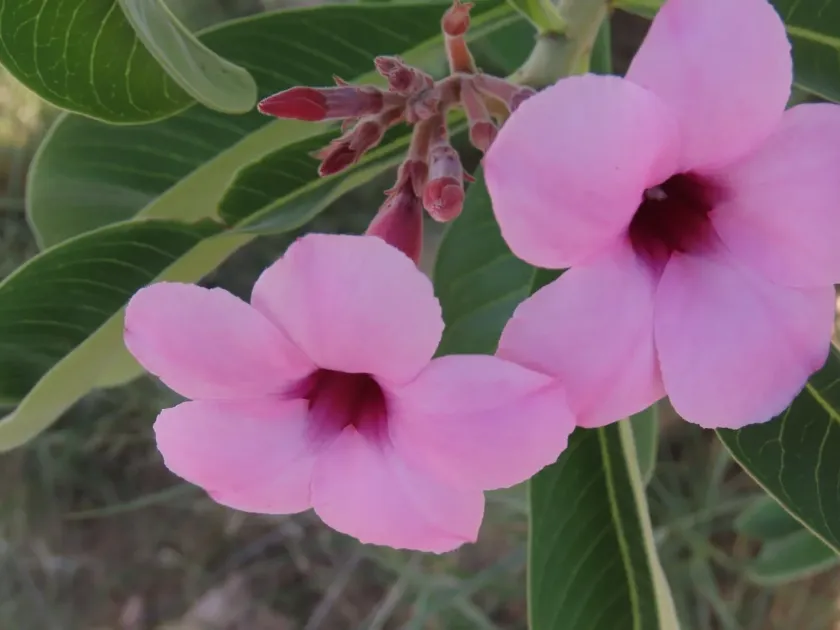
Description
Growing requirements
Adenium obesum, commonly known as the Desert Rose, is a striking succulent shrub belonging to the Apocynaceae family. Native to the tropical regions of Eastern and North-Eastern Africa and the Arabian Peninsula, this plant has evolved to thrive in arid conditions through its unique water-storing capabilities.
The primary horticultural requirement for this species is high light intensity. It thrives best in full sun, requiring at least six hours of direct light daily to maintain its compact, sturdy growth habit and the characteristic swollen base known as a caudex, which stores nutrients and water reserves.
Environmental conditions must mimic its native arid climate. During the active growth season, daytime temperatures between 25°C and 35°C are ideal. The plant is highly sensitive to cold, and temperatures dropping below 10°C can cause significant physiological stress or damage to the vascular tissue.
Soil composition must prioritize drainage to prevent root hypoxia. A specialized substrate typically includes coarse inorganic materials such as pumice, perlite, and fine gravel mixed with a small portion of organic matter. Proper drainage holes in containers are mandatory to prevent water accumulation.
Agrotechnical management involves a cycle of heavy watering during the growing season followed by a distinct dry dormant period. By withholding water during cooler months, growers stimulate the plant’s natural cycle, which promotes more robust floral display and ensures longevity of the specimen.
Main diseases and pests
The most significant threats to the health of Adenium obesum are fungal and bacterial pathogens, primarily Pythium and Phytophthora. These are almost exclusively associated with improper irrigation practices, resulting in saturated soil and subsequent rotting of the caudex and primary root structure.
Insect pests include spider mites, mealybugs, and aphids, which often settle on new vegetative growth. Control involves the application of appropriate systemic insecticides and maintaining hygienic conditions. Regular inspection of the crown and under-leaf surfaces is essential for early detection and prevention.