
Acineta superba
Acineta superba
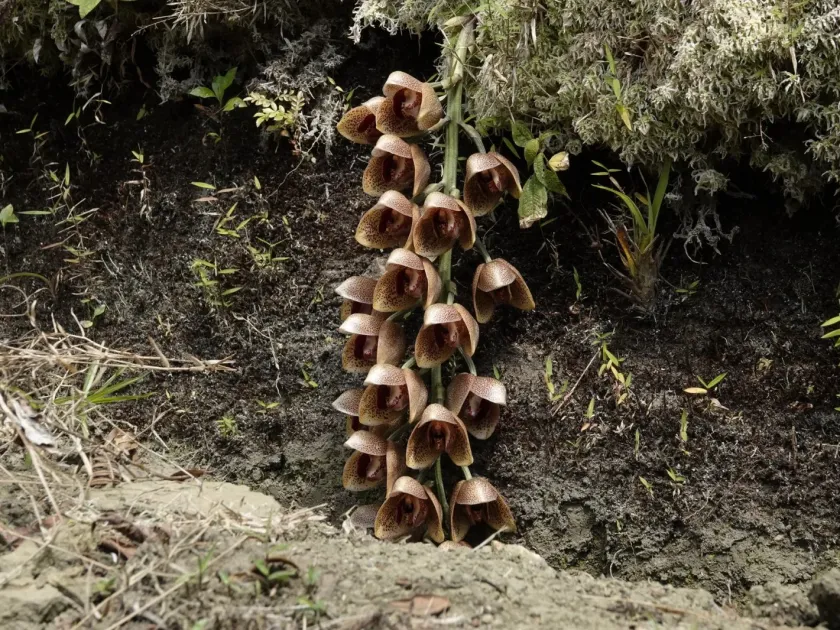
Description
Growing requirements
Acineta superba is an epiphytic orchid belonging to the Orchidaceae family. Native to the tropical rainforests of South America, specifically regions in Colombia, Venezuela, and Ecuador, it thrives in high-canopy habitats.
To successfully cultivate this orchid, growers must mimic its native tropical environment. It requires high humidity levels, ideally between 70% and 80%, and steady temperatures ranging from 22–26°C during the day to 16–18°C at night.
The substrate must be highly porous and well-draining to ensure proper airflow around the root system. A blend of fir bark, charcoal, and sphagnum moss is commonly recommended to maintain the necessary structural integrity for epiphytic growth.
Proper lighting is essential for growth and flowering. The species thrives in bright, indirect light; therefore, it should be kept out of harsh, direct sunlight, which can easily scorch its delicate, broad leaves.
Routine care involves regular, moderate watering using soft water. It is crucial to allow the substrate to dry slightly between watering sessions, preventing the root rot common in many epiphytic orchid species.
Main diseases and pests
Common pests that affect Acineta superba include spider mites, mealybugs, and scale insects. These pests often proliferate when the plant is kept in conditions with poor air circulation or excessively dry air.
Effective pest management includes the use of targeted insecticidal soaps or systemic treatments. Regularly wiping the leaves with a damp cloth can also help keep the foliage clean and discourage pest establishment.
Fungal and bacterial infections are the most significant health risks for this orchid. These diseases are often triggered by improper watering practices, such as allowing water to sit in leaf axils or keeping the root zone permanently soggy.
Good ventilation is the best preventative measure against pathogens. Providing a gentle fan breeze around the growing area helps maintain healthy leaf tissue and ensures that excess moisture evaporates in a timely manner.
If rot appears on the pseudobulbs, it is necessary to excise the infected area with a sterile tool and apply a fungicide. Following this, the grower should re-evaluate the watering schedule to prevent future outbreaks.