
Japanese chaff flower
Achyranthes japonica (Miq.) Nakai
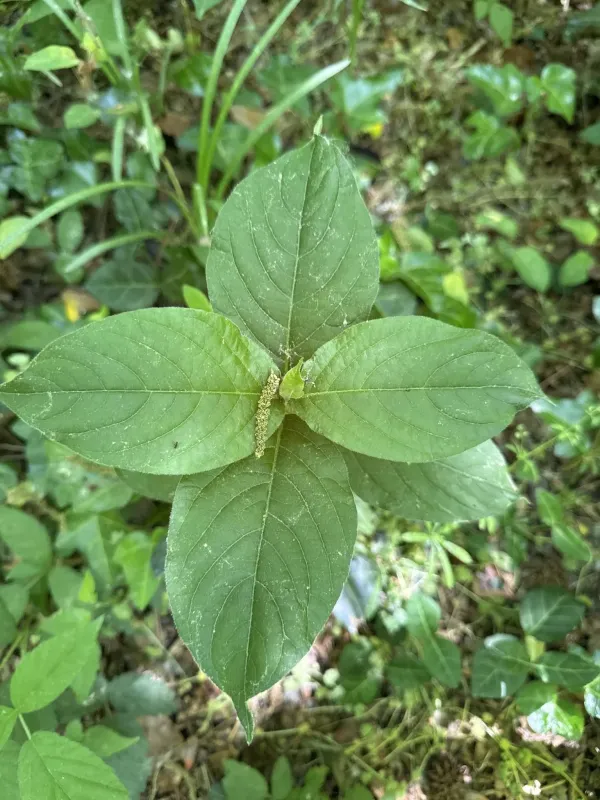
Description
Sowing dates
Sowing Japanese chaff flower seeds is best performed in the spring once soil temperatures reach 12–15 degrees Celsius. The ideal time for planting typically falls between mid-April and early May, depending on the specific climate zone.
For better germination, it is recommended to stratify seeds for approximately 30 days at low temperatures before planting. In commercial farming, row seeding with spacing of 45–60 centimeters is preferred to allow for healthy plant development.
Seeds should be sown at a depth of 1–2 centimeters. It is crucial to maintain moisture in the topsoil during the germination phase to ensure a high success rate and uniform stand.
Seedlings usually emerge within 15 to 20 days after sowing. Once the plants develop their first true leaves, thinning is necessary, leaving about 20–25 centimeters between each plant to avoid overcrowding.
Transplanting greenhouse-grown seedlings into the field by late May is also an effective strategy to increase biomass yields, especially in regions with shorter growing seasons.
Growing requirements
Japanese chaff flower thrives in fertile, well-draining loam or sandy loam soils with a neutral to slightly acidic pH. Excessive soil moisture must be avoided, as it easily leads to root rot.
This crop is heliophilic, meaning it requires full exposure to sunlight. Shaded areas result in leggy plants and lower concentrations of secondary metabolites in the roots, which are the main harvestable part.
The optimal temperature range for active growth is 20–25 degrees Celsius. While it has some tolerance to cold, mulching is highly recommended in colder regions to protect the root system during winter months.
Regular irrigation is vital during the early vegetative stage, particularly when the plant is rapidly developing its foliage. Water needs decrease slightly as the plant enters the seed maturation phase.
Fertilization should prioritize organic matter, such as compost, applied before planting. During the growth cycle, balanced mineral fertilizers rich in potassium and phosphorus help promote vigorous root expansion.
Yield
The primary economic focus for Achyranthes japonica is the harvesting of its roots, which contain high levels of bioactive compounds. These are typically harvested at the end of the plant's second year of life.
Under professional agricultural management, dry root yields can range from 2 to 3 tons per hectare. This yield is highly dependent on soil fertility, consistent watering, and effective weed management.
Root mass accumulates most effectively during the second autumn of the plant's growth, which marks the ideal time for extraction. At this stage, the plant has optimized its stores of triterpene saponins.
While the foliage can be used for secondary purposes, it does not hold the same market value as the root. Removing flowering stalks during the first year helps shift the plant's energy toward root development.
Sustainability in yield is maintained through proper crop rotation and the use of healthy, high-quality seeds, which prevent soil exhaustion and mitigate the risk of pathogen buildup in the fields.
Main diseases and pests
The most significant threat to the crop is root rot, caused by poor soil drainage or overwatering. Maintaining a strict irrigation schedule and good field drainage are the best preventative measures.
Common pests include aphids and spider mites, which typically infest the foliage during hot, dry weather. Strategic use of biological controls or specialized insecticides is effective if infestations reach economic thresholds.
Soil-borne pests like wireworms can damage the roots, reducing the marketability of the crop. Regular inter-row cultivation helps disrupt the lifecycles of these pests.
Powdery mildew may occur during periods of high humidity and poor air circulation. Providing adequate space between plants and applying fungicides when necessary can keep this disease under control.
Adherence to integrated pest management (IPM) practices, such as routine field monitoring and removal of crop debris, is essential for maintaining crop health without excessive chemical reliance.
Harvesting
Harvesting takes place in the autumn of the second year, once the plant's above-ground parts begin to yellow and senescence begins. This indicates the completion of the biological cycle.
Roots are extracted using mechanical harvesters or manual digging, ensuring that the root system remains intact. The roots must be washed thoroughly with cold water to remove all soil residues.
After washing, the roots are sliced into smaller pieces to facilitate even drying. They are then placed in dryers at 40–50 degrees Celsius until the moisture content drops below 12 percent.
Care must be taken to prevent exposure to direct sunlight or excessively high temperatures, as these factors can degrade the medicinal components and impact the quality of the raw material.
Properly dried material is packaged in breathable paper bags and stored in cool, dark, and dry conditions, allowing the product to retain its efficacy for two to three years.