
White forsythia
Abeliophyllum distichum Nakai
Description
Growing requirements
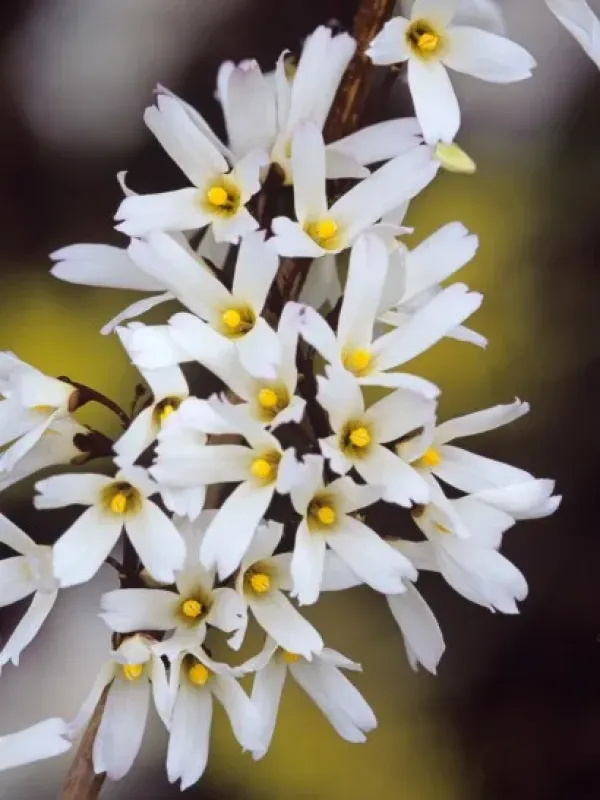
White forsythia (Abeliophyllum distichum) is a deciduous shrub that belongs to the monotypic genus of the Olive family (Oleaceae). Native to the Korean Peninsula, this plant is highly prized by gardeners for its early blooming period and distinct sweet fragrance that fills the air in early spring.
The cultivation of this species requires well-drained, fertile soil with a neutral to slightly acidic pH. The plant thrives in full sun exposure, which is crucial for intense flowering. Careful site selection is essential, as the shrub does not tolerate waterlogged conditions which can lead to root diseases.
Regarding climate, the plant is hardy and requires a temperate environment with a distinct dormant season. While it can withstand moderate frost, young specimens benefit from protective mulching around the root base in late autumn to insulate the soil and prevent damage from severe winter temperature fluctuations.
Basic agronomic practices include regular watering during the establishment phase and periods of summer drought. Maintenance pruning should be performed immediately after the flowering period; by trimming older branches, gardeners encourage the development of new, vigorous growth that will support blooms for the following season.
The plant is primarily used for ornamental purposes in home gardens, arboretums, and public landscaping projects. Due to its unique status as a botanical rarity, it is often favored by professional landscape architects to serve as a specimen shrub, providing interest when many other plants are still dormant.
Main diseases and pests
White forsythia is generally robust but can be susceptible to root rot if drainage is insufficient. Ensuring proper soil aeration and preventing water accumulation in the planting pit are the best preventative measures against soil-borne fungal pathogens.
Pest pressure is relatively low, though aphids or spider mites may appear during periods of prolonged heat. Regular monitoring of the foliage and timely application of horticultural oils or gentle insecticidal soaps can effectively manage these populations without harming the plant's delicate structure.