
Syrian bean-caper
Zygophyllum fabago L.
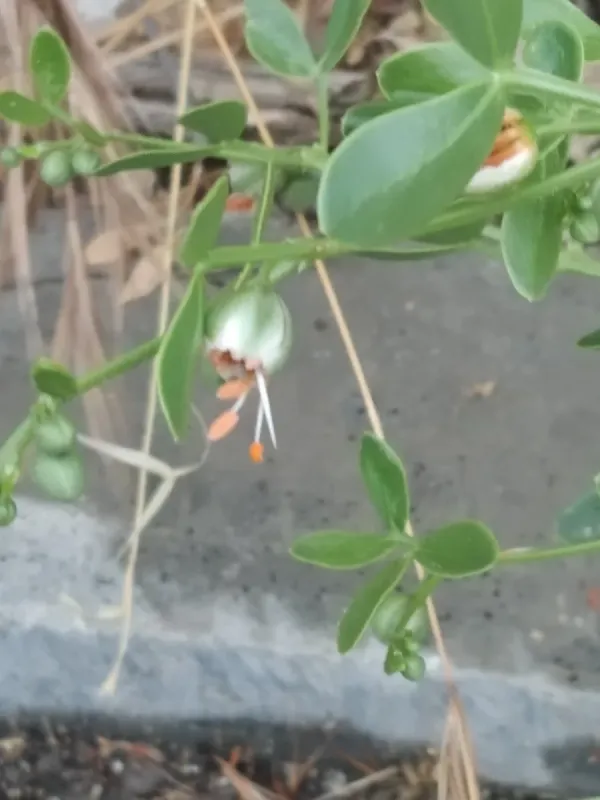
Description
Sowing dates
Syrian bean-caper (Zygophyllum fabago L.) belongs to the Zygophyllaceae family. It is a perennial herbaceous plant known for its extensive and deep root system.
Propagation is primarily done via seeds. For optimal results, seeds should be sown in early spring in well-prepared, loose soil at a depth of 2–3 centimeters.
Germination can be slow, so maintaining a consistent moisture level during the first weeks after sowing is crucial for establishment.
Vegetative propagation using root cuttings is another effective method, especially for establishing nurseries, as it bypasses the slow seedling development stage.
The spacing between rows should be maintained at about 50–60 cm to ensure the plant has enough space to develop its mature root architecture.
Growing requirements
This species is a typical xerophyte, specifically adapted to arid and semi-arid climates. It thrives in high heat and intense solar radiation.
The plant is highly tolerant of saline soils, making it an excellent candidate for reclamation projects on degraded or salty agricultural land.
Soil requirements are minimal; it performs best in sandy or well-drained loams where the root system can penetrate deeply to access moisture.
While extremely drought-resistant, the plant benefits from supplemental irrigation during the initial establishment phase to ensure long-term survival.
It requires full sun exposure; shade significantly reduces its vigor and the concentration of its secondary metabolites.
Yield
The harvest focuses on the aerial parts of the plant, typically collected during the flowering period to ensure maximum concentration of bioactive compounds.
Yield varies based on soil quality and water availability. In semi-arid regions, it provides a stable source of biomass where conventional crops would fail.
The crop serves various purposes, including medicinal extraction, as a honey plant, and as a biological tool for soil stabilization on steep slopes.
Due to its hardy nature, the stand can remain productive for several years without the need for frequent replanting or intensive soil cultivation.
Processing involves drying the harvested biomass in shaded, ventilated areas to preserve its chemical profile for industrial applications.
Main diseases and pests
Zygophyllum fabago exhibits strong natural resistance to pests and diseases due to its chemical defense mechanisms, specifically its alkaloid content.
The most common issues arise from waterlogging; excessive moisture can lead to root rot caused by soil-borne fungal pathogens.
Aphid infestations may occur in specific microclimates, but they rarely threaten the overall survival or productivity of the plantation.
Maintaining proper plant density and ensuring good airflow within the field is the primary strategy to prevent moisture-related fungal growth.
Regular field monitoring is sufficient to keep potential outbreaks under control, often eliminating the need for synthetic pesticide applications.