
Zygia longifolia
Zygia longifolia
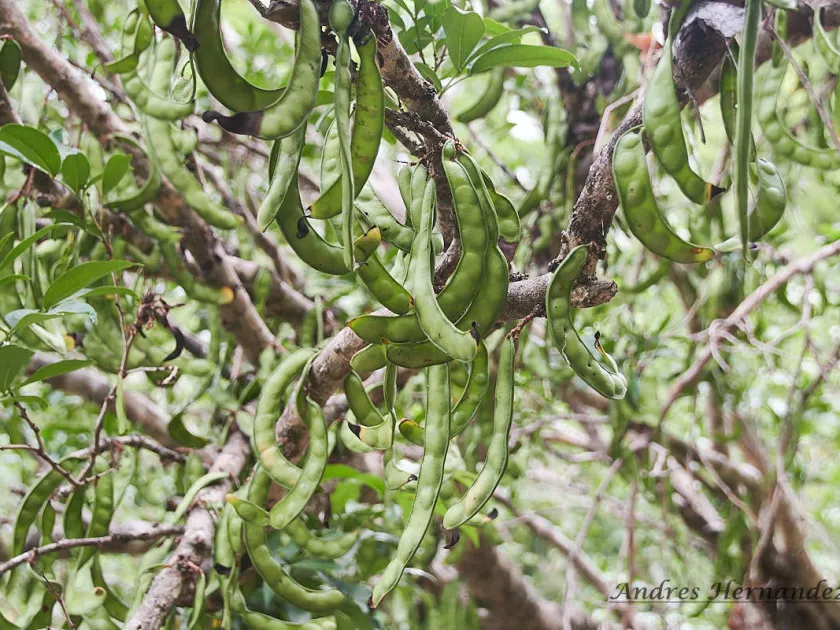
Description
Growing requirements
Zygia longifolia is a perennial tree belonging to the Fabaceae family, native to the tropical regions of South America. It typically grows as an understory or riparian tree, thriving in the dense, moist habitats of river basins.
The plant requires a tropical climate with high humidity and consistent temperatures. It does not possess a dormant period, as it is adapted to the stable environmental conditions of the equatorial belt throughout the entire year.
Soil requirements are quite specific: the species prefers fertile, well-drained but consistently moist soils. It is well-suited to the riverbank environments where nutrient deposition from seasonal floods provides constant enrichment.
Botanically, the tree is distinguished by its pinnately compound leaves and decorative flowers that attract various pollinators. The root system is deep and stable, facilitating survival in environments prone to sediment shifts.
In terms of agricultural and forestry use, Zygia longifolia serves as a pioneer species for reforestation and riparian buffer zones. Its ability to fix atmospheric nitrogen makes it a valuable component in agroforestry systems aiming to restore soil fertility.
Main diseases and pests
The main threats to this culture include fungal infections that exploit excessive moisture in stagnant environments. Effective water management and maintaining space between individuals are key to reducing the impact of such pathogens.
Pest management focuses on controlling leaf-eating insects and boring beetles. Given its natural habitat, keeping the environment balanced with natural predators is the most sustainable approach for large-scale management.