
Zygia latifolia
Zygia latifolia
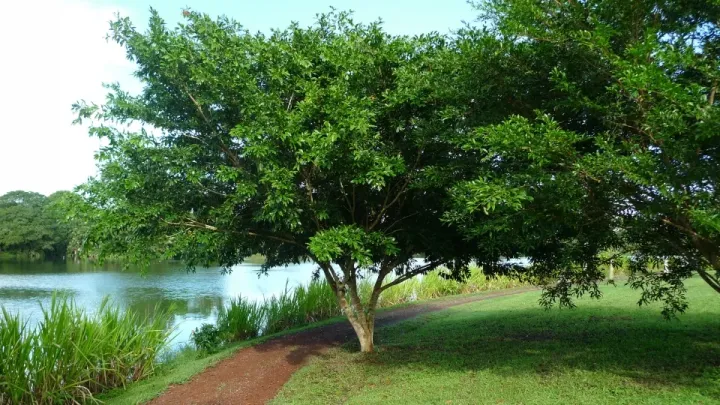
Description
Growing requirements
Zygia latifolia is an evergreen tree or large shrub belonging to the Fabaceae family, native to the tropical forests of Central and South America. It is recognized for its distinctive broad leaves and typical legume-type growth habit.
The plant thrives in warm, humid tropical environments. It requires a temperature range of 22°C to 30°C and is not tolerant of frost or prolonged dry spells, making it unsuitable for temperate climate zones.
Soil requirements involve deep, fertile, and well-drained ground. While the species can adapt to various soil types, it performs best in soils rich in organic matter that allow for healthy root respiration.
Light levels are crucial for development. In its natural habitat, it often grows in the understory or edge areas, so it prefers dappled light or full sun depending on the specific growth stage of the specimen.
Cultural practices should emphasize moisture management and soil enrichment. Mulching helps retain soil humidity, and periodic fertilization can support vigorous vegetative growth in young trees.
Yield
Zygia latifolia is highly valued in agroforestry for its ability to stabilize slopes and prevent soil erosion in tropical agricultural landscapes. It acts as an effective windbreak and shade provider.
The wood produced by the tree is known for its durability, finding application in rural construction and the manufacture of small farm tools or handles, which contributes to local livelihoods.
The plant serves an important ecological role, supporting local wildlife by providing shelter and sustenance, and contributing to the nitrogen-fixing processes in the soil due to its leguminous nature.
Biological productivity is significant under optimal conditions, allowing for rapid canopy development, which is beneficial for land restoration projects and reforestation initiatives.
While not a major commercial cash crop, the tree is frequently utilized for medicinal purposes in traditional practices, and its ornamental value makes it a subject of interest for tropical botanical gardens.
Main diseases and pests
The plant is susceptible to common tropical pests such as leaf-eating beetles, caterpillars, and borers that can damage the stems or foliage if not monitored during the active growing season.
Fungal pathogens represent a primary health risk, especially in low-airflow areas where high humidity fosters the growth of rusts and leaf spots, which can lead to premature defoliation.
Root-knot nematodes can pose a problem in nursery settings if the planting medium is not sterilized or if sanitation protocols are neglected during the propagation phase.
Weed competition is a severe constraint for young trees. Effective management involves mechanical weeding to ensure that the seedling does not lose access to nutrients and light in its first stages.
Proactive monitoring of tree health is essential for early detection of infestations, ensuring that the development of the stand is not hampered by pests or disease outbreaks.