
Heart-leaved alexanders
Zizia aptera (A. Gray) Fernald
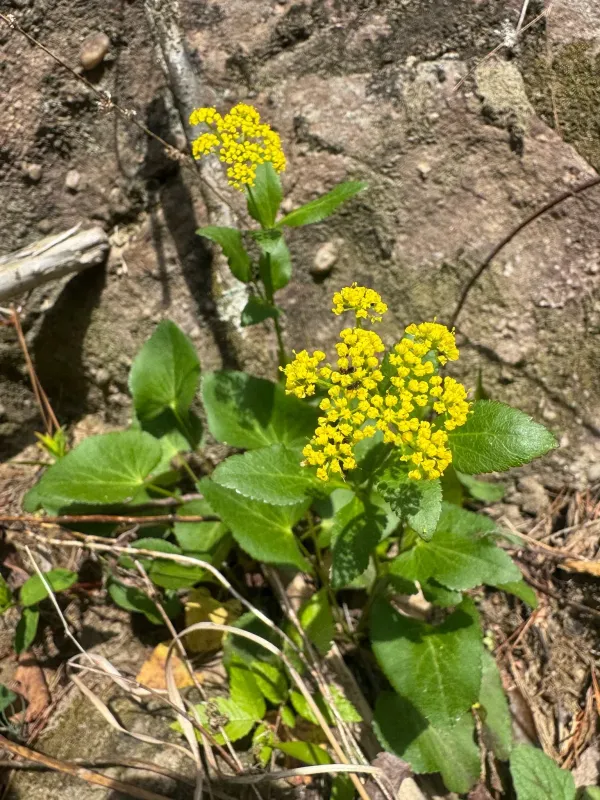
Description
Sowing dates
The seeds of Zizia aptera require a period of cold stratification to break dormancy. Sowing should be done in late autumn, allowing the seeds to undergo natural winter cycles in the soil, which ensures high germination rates in spring.
For indoor propagation, seeds can be placed in a damp substrate and refrigerated at approximately 4 degrees Celsius for 6 to 8 weeks. After stratification, they should be moved to a warm, bright location for sprouting.
Seed depth should be kept minimal, ideally no more than 1 centimeter. Pressing the seeds firmly into the soil surface is often sufficient, provided they are kept consistently moist until emergence.
When sowing in rows, spacing should allow for adequate development of the basal leaf rosettes. Approximately 30 to 45 centimeters between plants is recommended to facilitate airflow and minimize the risk of pathogen spread.
Young plants should be transplanted carefully to avoid damaging the taproot system. It is best to perform transplanting on cloudy days or in the early evening to reduce plant stress during the establishment phase.
Growing requirements
Heart-leaved alexanders, a member of the Apiaceae family, is a perennial plant native to North American prairies and open woodlands. It thrives in conditions that mimic its natural habitat, emphasizing soil moisture and light availability.
The plant prefers full sun to partial shade. In warmer regions, some afternoon shade is beneficial to prevent leaf scorch and maintain the overall vigor of the plant during peak summer heat.
Soil requirements include rich, loamy textures with neutral to slightly acidic pH levels. Good drainage is essential, as the plant does not tolerate waterlogged conditions that can cause root distress.
Regular hydration is necessary during the first year of growth while the root system is developing. Mature plants are relatively hardy but will perform best when soil moisture is maintained consistently throughout the growing season.
Fertilization is generally minimal for this species. A light application of compost in the early spring is usually sufficient to support growth, as excessive nitrogen can lead to leggy, weak stems that require support.
Yield
While primarily cultivated as a native wildflower or in pollinator gardens, the plant produces significant biomass that contributes to soil health. In natural habitats, the crop plays a vital role in supporting diverse insect populations.
Seed production is the primary focus for nurseries or habitat restoration projects. A single healthy plant can produce thousands of seeds if pollination conditions remain optimal throughout the flowering window.
Harvesting for seed requires careful observation, as pods tend to shatter when fully dry. Gathering stalks just as they turn brown ensures maximum seed recovery before natural dispersal occurs in the field.
The yield of green material is typically composted back into the soil post-season, providing essential nutrients for subsequent plant cycles. This closed-loop system is highly beneficial for sustainable small-scale plots.
Future research into the essential oils and chemical constituents of Zizia aptera may open new avenues for its use in herbal or pharmaceutical sectors, potentially increasing its economic value beyond ornamental use.
Main diseases and pests
Like many members of the Apiaceae family, heart-leaved alexanders can be susceptible to powdery mildew during humid, stagnant air conditions. Improving plant spacing is the best preventative strategy.
Aphids can occasionally cluster on the flower stalks during the blooming period. These are usually managed through natural predators, though insecticidal soap can be used if infestations threaten plant vitality.
Root rot is the most common fatal condition, typically caused by heavy, compacted soils that do not drain properly. Amending the soil with sand or organic matter before planting is an effective mitigation strategy.
Leaf spot diseases can occur due to fungal pathogens, especially in seasons with excessive rainfall. Removal of affected leaves and cleaning the area around the base of the plant helps stop the spread.
Vertebrates such as deer and rabbits may occasionally graze on the foliage. While the plant can usually recover, young seedlings might require physical barriers or protective cages to ensure they reach maturity.
Harvesting
Harvesting for seed is typically conducted mid-to-late summer. Seeds should be collected when the seed heads turn from green to a dark brown or black color, indicating maturity.
Cutting the entire stalk is the most efficient method for collection. The stalks should then be placed in paper bags to finish drying, allowing the seeds to naturally detach from the heads as they desiccate.
After threshing, seeds should be cleaned to remove chaff and debris. Proper cleaning increases storage life and prevents the introduction of fungal spores into the next year's sowing batch.
Seed storage must occur in a cool, dry, and dark environment to maintain viability. Airtight containers are recommended to protect the seeds from moisture fluctuations and potential insect contamination.
For ornamental purposes, removing spent flower stalks can encourage a cleaner look and potentially reduce the energy expenditure of the plant, though leaving them can provide food for local wildlife.