
Wild rice
Zizania aquatica L.
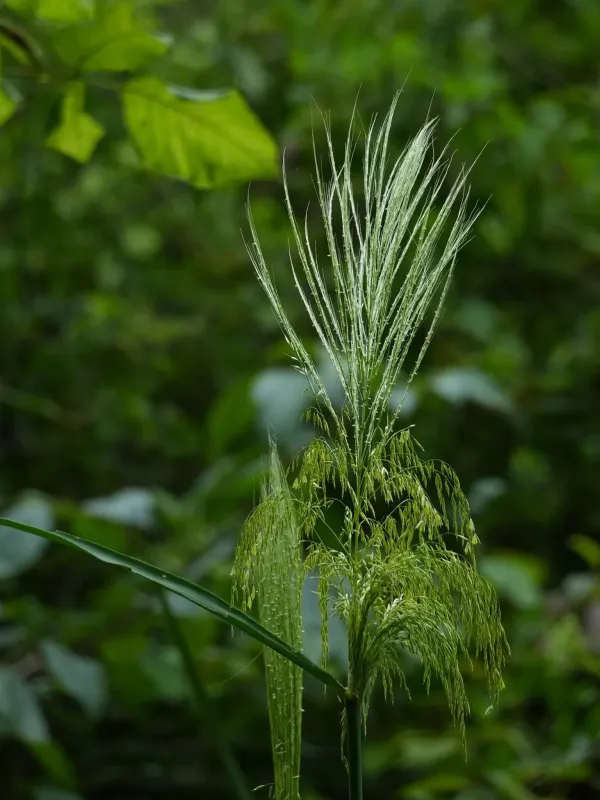
Description
Sowing dates
Sowing of Zizania aquatica is typically carried out in the autumn immediately after harvest or in early spring. The seeds require mandatory stratification in water at low temperatures to overcome dormancy and ensure uniform germination.
For successful growth, the seeds should be planted at a depth of 10 to 30 centimeters in the bottom silt. It is crucial to prevent the seeds from drying out, as they rapidly lose viability when stored outside an aquatic environment.
The seeding rate depends on the chosen method: when broadcasting over a water surface, the planting density must ensure even coverage. The plant is capable of active self-seeding, which facilitates long-term cultivation on the same site.
The optimal water temperature for the start of the growing season is between 15 and 20 degrees Celsius. In temperate climates, seedlings emerge once the coastal area warms up to consistent positive temperatures.
In specialized cultivation paddies, sowing is performed with careful control of water levels, which must be regulated throughout the growing season to prevent seed washing and promote development.
Growing requirements
Wild rice belongs to the grass family and is a typical hygrophyte requiring a permanent water source. The optimal water depth for normal growth ranges from 30 centimeters to one meter.
The plant prefers slow-moving or stagnant waters with a soft, silty bottom rich in organic matter. A high nitrogen content in the sediment promotes intense vegetative growth and the formation of healthy flower clusters.
Proper development requires a moderately warm climate with sufficient sunlight during the summer months. The plant is sensitive to abrupt water level fluctuations, which can cause the stems to lodge.
During the growth cycle, the crop actively absorbs nutrients from bottom sediments, making the fertility of the silt a key factor in productivity. In commercial operations, fertilizers may be applied to the root zone.
A critical requirement is the absence of intense water turbulence, as the long, hollow stems of the plant are quite fragile and can be damaged by strong mechanical impact.
Yield
The yield of Zizania aquatica depends significantly on population density and the ecological conditions of the water body. In the wild, grain yields can be inconsistent due to natural environmental variables.
Under controlled cultivation conditions, the average dry grain yield ranges from 500 to 1000 kilograms per hectare. These figures can vary based on the cultivar and the quality of the planting material.
A significant portion of the biomass consists of stems, which can be utilized as high-quality forage for livestock, increasing the overall economic value of the crop.
Grain loss during maturation is a primary challenge, as seeds ripen unevenly and shatter easily into the water. Using selective breeding varieties with reduced shattering properties significantly improves the harvestable yield.
The economic efficiency of the crop is determined not only by the grain but also by the ecological benefits, as wild rice helps purify water and provides essential habitat for waterfowl.
Main diseases and pests
Wild rice is susceptible to several fungal diseases, among which ergot is the most serious, as it infects the grains and degrades harvest quality. Prevention involves strict monitoring of planting density.
Key pests include various insect larvae that feed on stem tissues, as well as waterfowl that can consume a significant portion of the crop during the milk stage of grain development.
In stagnant water conditions, root rot may occur due to disrupted gas exchange in the bottom substrate. Timely aeration or water circulation helps minimize the risk of plantation loss.
Competition with other aquatic macrophytes, such as reeds or cattails, can lead to the displacement of wild rice. Regular monitoring and removal of invasive water weeds are essential for healthy yields.
Environmental stresses, including chemical pollution of the water body, can cause premature wilting and chlorosis, making the crop an effective bio-indicator of aquatic ecosystem health.
Harvesting
Harvesting wild rice is the most complex technological stage due to the staggered ripening period. Seeds in the panicle mature gradually from the top downward and drop as they ripen.
The optimal collection method for smaller operations is manual harvesting, where the tops of the panicles are gently bent over a container and shaken to release the ripe grains.
In commercial operations, specialized water-crop combines equipped with gentle headers are used to minimize shattering losses and mechanical damage to the delicate grains.
Post-harvest, the grain requires mandatory drying and dehusking. The distinct flavor and nutritional profile of wild rice depend heavily on the precision of the processing technology used.
Storage requires adequate ventilation to prevent mold growth and to preserve the high nutritional value of the product, which is highly sought after in the healthy food market.