
Manchurian wild rice
Zizania latifolia (Griseb.) Turcz. ex Stapf
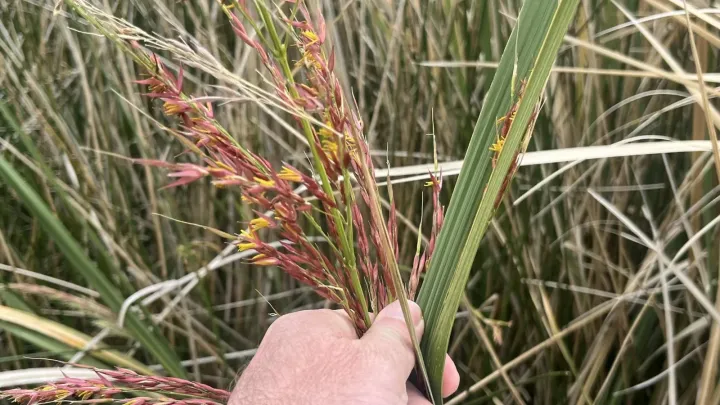
Description
Sowing dates
Sowing or planting of Manchurian wild rice is typically performed in the spring when water and soil temperatures reach 12–15 degrees Celsius. The seeds must be kept moist, as they lose viability rapidly if allowed to dry out.
Vegetative propagation using rhizome division is the preferred commercial method. Rhizome segments are planted into the bottom substrate at a depth of 10–20 centimeters, ensuring adequate spacing between plants.
The crop requires a stable aquatic environment. Maintaining a water depth of 5–10 centimeters is essential for successful establishment and promoting the growth of young shoots.
When starting from seed, seedlings are raised in trays with muddy substrate before being transplanted to the main production site once they develop several true leaves.
As a perennial hydrophyte, proper site selection is crucial. Avoid deep water bodies in the first year to prevent the suppression of growth, ensuring the plants can reach the surface efficiently.
Growing requirements
Manchurian wild rice is a true hydrophyte, demanding constant soil moisture and saturation. It thrives best in wetlands, the edges of ponds, and slow-moving irrigation canals.
Fertile, silt-rich soils provide the best nutrition for development. The plant is adaptable to various water pH levels but performs optimally in slightly acidic to neutral environments.
Temperature is a key driver for development. It favors a temperate climate with plenty of sunlight; shading can significantly reduce biomass accumulation and affect shoot quality.
Good water quality is necessary to prevent anaerobic conditions in the substrate. While the plant is resilient, stagnant water should be periodically managed or refreshed.
The species demonstrates high environmental plasticity regarding water levels, but prolonged droughts can severely damage the root system and stunt overall productivity.
Yield
Yield is heavily dependent on the symbiotic infection by the fungus Ustilago esculenta, which causes the stem to swell into a nutritious, edible form.
In optimal conditions, the plantation reaches peak production in its third year. Annual biomass yield can be substantial when proper density and nutrient levels are maintained.
Thinning the stand regularly is a necessary agronomic practice. Overcrowding leads to thin, poor-quality stems, reducing the market value of the harvested produce.
Harvesting is labor-intensive as it is primarily done by hand to ensure the structural integrity of the crop. This manual approach ensures high-quality standards for the culinary market.
Consistent water management throughout the growing season is the primary factor in stabilizing yields and ensuring the stems reach the required size before harvesting.
Main diseases and pests
The fungus Ustilago esculenta is essential for crop development, yet excessive infection can overwhelm the plant and reduce its longevity in a plantation.
Pests like the rice stem borer and various aphid species can cause damage to leaves and stems, leading to weakened plants and higher susceptibility to secondary infections.
Root rot is a common issue in poorly maintained beds where water stagnation leads to hydrogen sulfide buildup in the silt, negatively impacting the root's nutrient uptake.
Sanitation practices, such as removing old plant material at the end of the season, are vital to control the pathogen population and prevent buildup of harmful microorganisms.
Biocontrol methods are preferred over chemical pesticides, as the aquatic environment is highly sensitive to chemical residues which can contaminate the harvest.
Harvesting
The harvest period occurs in late summer or early autumn, when the stems reach their maximum thickness and sweetness before the texture becomes fibrous.
Shoots are harvested by cutting them just above the water or soil surface. Great care is taken not to disturb the rhizome system, which is intended for subsequent years of growth.
Post-harvest handling requires immediate cooling to deactivate fungal activity and maintain the crisp, tender quality of the stem, as shelf life is relatively short.
Grading of the produce is done immediately after harvest. Only stems meeting specific size and texture criteria are selected for the fresh market or distribution.
Packing and transport must be done under controlled humidity to prevent the stems from wilting or losing their freshness during transit to the consumer.