
Zilla macroptera
Zilla macroptera
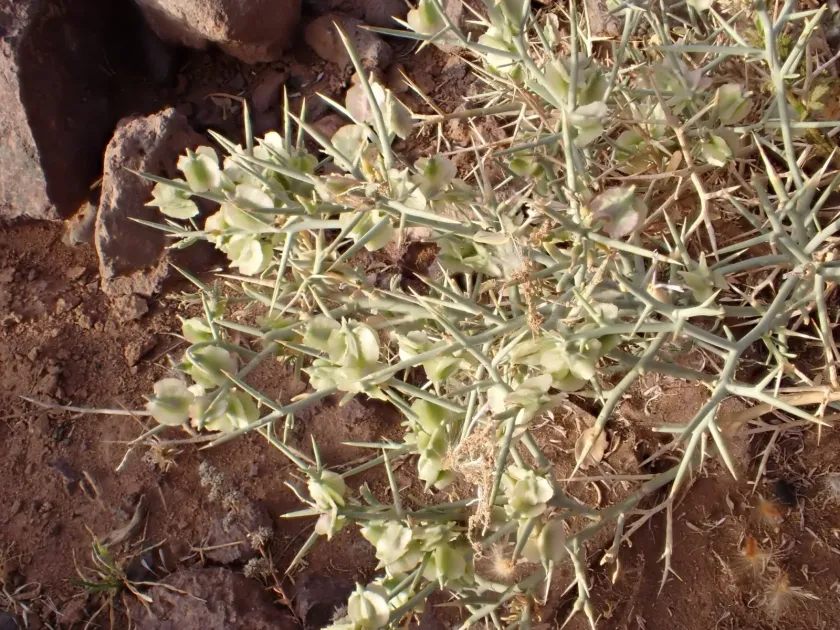
Description
Sowing dates
Zilla macroptera, native to arid regions, relies on the onset of seasonal rains for natural germination. For agricultural purposes, sowing is typically scheduled during the early autumn or spring months when soil moisture levels are conducive to seed emergence.
Seeds should be planted at a shallow depth of 1-2 centimeters in light, sandy substrates. An optimal temperature range for germination is 15-20 degrees Celsius, ensuring that seedlings can establish their root systems before extreme heat occurs.
The biology of this species includes a natural dormancy period; therefore, seed stratification might be necessary to enhance uniformity in germination. Over-watering must be strictly avoided during the initial growth phase to prevent root rot in the sensitive young plants.
Preparation of the seedbed is critical, as Zilla macroptera seedlings exhibit low initial competitive ability against weeds. Clearing the site thoroughly before sowing is a standard procedure to ensure the crop has sufficient space and light for development.
In large-scale plantings, a spacing of 40-50 centimeters between rows is recommended. This spacing optimizes nutrient uptake and provides adequate airflow, which is essential for maintaining the overall health and vigor of the plants.
Growing requirements
Zilla macroptera belongs to the Brassicaceae family and is highly specialized as a xerophyte. It has evolved to thrive in environments characterized by severe water scarcity and high temperatures, making it a sustainable choice for marginal, desert-like lands.
The plant prefers well-drained sandy or rocky soils with an alkaline pH. Waterlogging is a significant threat to the survival of this species; thus, sites with excellent drainage are mandatory to prevent the development of root diseases and ensure metabolic stability.
This species demonstrates remarkable resilience to intense solar radiation and significant daily temperature fluctuations. Its deep root system allows it to access deeper moisture reserves, providing a distinct advantage in arid landscape restoration and soil stabilization.
Full sunlight is a prerequisite for optimal growth and biomass accumulation. Exposure to adequate light ensures the proper development of both the vegetative and reproductive structures, which are essential for yield productivity in arid environments.
Zilla macroptera is known for its tolerance to soil salinity, allowing it to be cultivated on lands that are otherwise unsuitable for traditional agriculture. Its adaptation to harsh desert climates makes it a model for low-input, sustainable agricultural systems.
Yield
The biomass yield of Zilla macroptera is highly dependent on the availability of moisture during the growing season. Although it is a drought-tolerant plant, supplemental irrigation can significantly enhance green matter production for forage use.
In years with favorable precipitation, the plants form dense, leafy clusters that are valuable as fodder for livestock, particularly camels and small ruminants. This utility makes it a reliable resource in regions where conventional forage options are limited.
Seed production is an additional economic consideration, as the fruits contain oil-rich seeds. Harvesting is typically conducted once the pods have matured and dried, allowing for easy collection and processing for various industrial or agricultural applications.
Yield tends to improve as the plant matures, with older specimens often producing larger quantities of biomass. Establishing a perennial planting strategy can ensure a consistent and sustainable harvest over several growing seasons.
To maximize yields, minimal application of micronutrients may be beneficial. However, given its evolutionary adaptation to nutrient-poor soils, the plant remains highly efficient in utilizing available soil resources without extensive fertilizer inputs.
Main diseases and pests
Zilla macroptera possesses natural defenses, including the production of glucosinolates, which provide a significant level of resistance against many common pests. This inherent chemical protection reduces the need for synthetic chemical interventions in its management.
However, environmental stress caused by excessive humidity can predispose the plants to fungal infections such as root rot. Proper site selection and drainage management remain the primary methods for mitigating these types of pathogenic risks.
Occasional infestations by lepidopteran larvae specialized in Brassicaceae can occur, but these are rarely of economic significance under healthy cultivation conditions. Monitoring and biological control measures are usually sufficient to maintain pest populations below harmful thresholds.
Powdery mildew may emerge in environments with stagnant air or high humidity, highlighting the importance of proper plant spacing and ventilation. Maintaining a dry, well-ventilated field environment is crucial for preventing the spread of such diseases.
Using certified, high-quality seeds is vital for avoiding the introduction of soil-borne pathogens. Regular field inspection allows for early detection of potential threats, facilitating quick action and preventing large-scale damage to the crop.
Harvesting
The harvest of green matter should be timed to coincide with the period of peak nutrient density, which usually occurs just before the stems begin to lignify. Timing this phase correctly ensures high-quality forage for livestock.
Seed harvesting is performed when the pods turn pale and dry. This requires careful management to prevent pod shattering and seed loss, ensuring an efficient collection process using appropriate agricultural machinery or manual methods.
Post-harvest processing involves drying the seeds in well-ventilated, shaded areas to prevent mold growth. Moisture content must be carefully controlled during storage to maintain seed viability and shelf life over extended periods.
Mechanized harvesting equipment must be adjusted to accommodate the specific structure of Zilla macroptera pods and stems. Minimizing mechanical damage during harvest helps maintain seed quality and reduces post-harvest losses significantly.
Incorporating crop residues into the soil after harvest can improve soil structure and organic matter content. This sustainable practice promotes long-term soil health and creates a better environment for subsequent planting cycles in arid conditions.