
Zigzag clover
Trifolium medium L.
Description
Sowing dates
Zigzag clover is a perennial legume typically sown in early spring or early autumn. Spring sowing is preferred in most regions as it provides the necessary moisture for seed germination and the establishment of a robust root system before the onset of summer heat.
The seeds of this species have a hard seed coat, which may require scarification to improve germination rates. Pre-treating the seeds helps break the dormancy period, leading to more uniform stands and a higher percentage of successful crop establishment.
Optimal sowing depth ranges from 1 to 2 centimeters. On lighter, sandy soils, slightly deeper planting helps protect the developing seeds from drying out, while on heavier, clay-based soils, shallow sowing prevents the seeds from becoming trapped under a crust.
Seeding rates should be adjusted based on the purity of the seed lot and the chosen planting method, typically row seeding with 15 cm spacing. Proper spacing ensures adequate air circulation and competition management during the early growth stages.
During the first year, the crop develops slowly as it prioritizes root development and the establishment of its characteristic rhizomes. Careful weed management is essential during this establishment phase to ensure the plants are not overwhelmed by faster-growing competitors.
Growing requirements
Zigzag clover is highly valued for its ecological plasticity and resilience. It is more tolerant of poor, infertile, and acidic soil conditions compared to other clover species, making it an excellent candidate for marginal lands where other crops might fail.
This species is exceptionally cold-hardy and can withstand significant fluctuations in winter temperatures. Its natural distribution across Eurasia demonstrates its ability to adapt to diverse climatic zones, ranging from temperate forests to semi-arid regions.
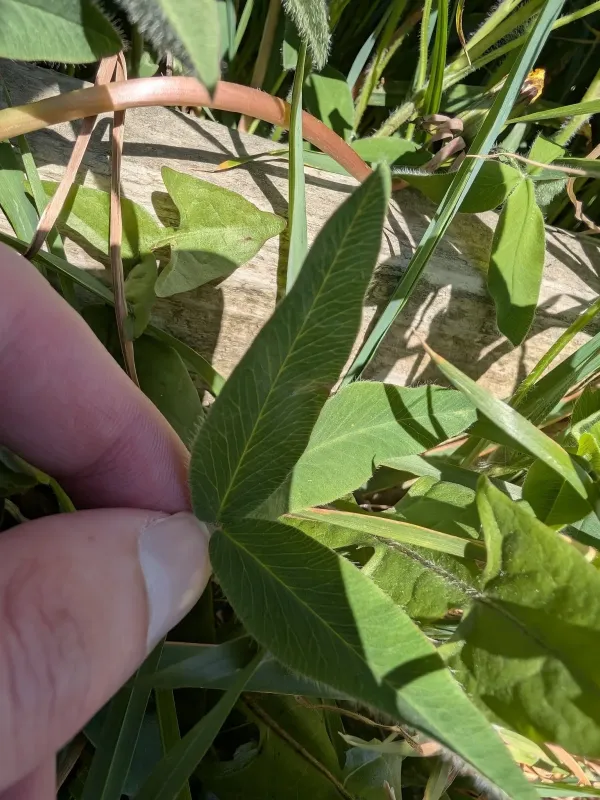
Botanically, it is distinguished by its creeping rhizomes, which allow the plant to form a dense, persistent mat. The leaves are typically elongated, and the purplish-pink flower heads are highly attractive to pollinators, contributing to biodiversity.
While it prefers moderate moisture, it is tolerant of temporary drought conditions. However, it requires well-drained soil; prolonged waterlogging can damage the rhizomes and reduce the overall stand density, so site selection or drainage is key for optimal growth.
It performs best in full sunlight but is capable of maintaining reasonable productivity in partial shade. Supplementing with phosphorus and potassium fertilizers can improve root health and winter survival, especially in nutrient-deficient soils.
Yield
The primary agricultural use of zigzag clover is as a high-quality forage crop for livestock. It is often included in perennial grassland mixtures to provide a steady source of protein and essential nutrients for grazing cattle and sheep.
Average biomass yields vary between 15 and 25 tonnes per hectare, depending on soil quality and the frequency of harvests. Under intensive management, including regular fertilizing and proper irrigation, the plant can reach its maximum yield potential.
Its longevity is a defining feature, as it can persist in a sward for 8 to 10 years or longer without the need for frequent reseeding. This makes it a cost-effective choice for long-term pasture maintenance and forage production.
As a legume, it contributes to soil fertility by fixing atmospheric nitrogen through a symbiotic relationship with rhizobia bacteria. This natural enrichment improves the growing conditions for companion grasses and subsequent crops in a rotation.
Forage produced from zigzag clover is highly palatable and rich in vitamins. It is suitable for hay, silage, or direct grazing, consistently supporting high animal performance and improving the nutritional balance of the total ration.
Main diseases and pests
Like many legumes, zigzag clover is susceptible to fungal pathogens such as powdery mildew, rusts, and anthracnose. These diseases are most prevalent in humid conditions with poor air circulation, often exacerbated by high-density planting.
Integrated pest management, including timely mowing and the removal of crop residues, is the most effective way to manage disease pressure. Maintaining appropriate stand density also helps reduce the impact of these common pathogens.
Insect pests, including various clover weevils and aphids, can damage leaves and flowers, potentially reducing seed yields and overall biomass quality. Monitoring populations is crucial to determining the threshold for intervention.
Weed control is essential during the establishment phase, as weeds can act as vectors for diseases and harbor harmful insect populations. A clean field reduces the need for heavy pesticide reliance later in the crop's life cycle.
If chemical controls are necessary, they must be applied according to local regulations to ensure safety for livestock and beneficial pollinators. Integrated approaches that prioritize biological balance are preferred for long-term sustainability.
Harvesting
The timing of the harvest is critical for maximizing the nutritional value of the crop. The best time for mowing is at the very beginning of the flowering stage, when the levels of digestible protein and energy-dense carbohydrates are at their peak.
Harvesting methods involve mowing and subsequent wilting in the field. Using a mower-conditioner can speed up the drying process, which is vital for preserving the leaves, as they hold the highest density of nutrients and vitamins.
Hay quality depends heavily on careful handling to minimize leaf loss. Controlled drying processes that avoid extreme temperatures help maintain the color and aromatic profile of the hay, ensuring it remains appealing to livestock.
When managing for multiple cuts per season, allow for sufficient regrowth periods between harvests to replenish root reserves. In many regions, two productive cuts are possible, provided environmental conditions are supportive.
Properly harvested zigzag clover provides a reliable, nutrient-dense feed source for the winter months, helping to maintain livestock condition and productivity while reducing the reliance on expensive concentrated feed supplements.