
Zeylanidium olivaceum
Zeylanidium olivaceum
Description
Growing requirements
Zeylanidium olivaceum is a fascinating aquatic plant species belonging to the Podostemaceae family. Unlike conventional agricultural crops, this species is entirely wild and adapted to extreme riparian environments within its native range.
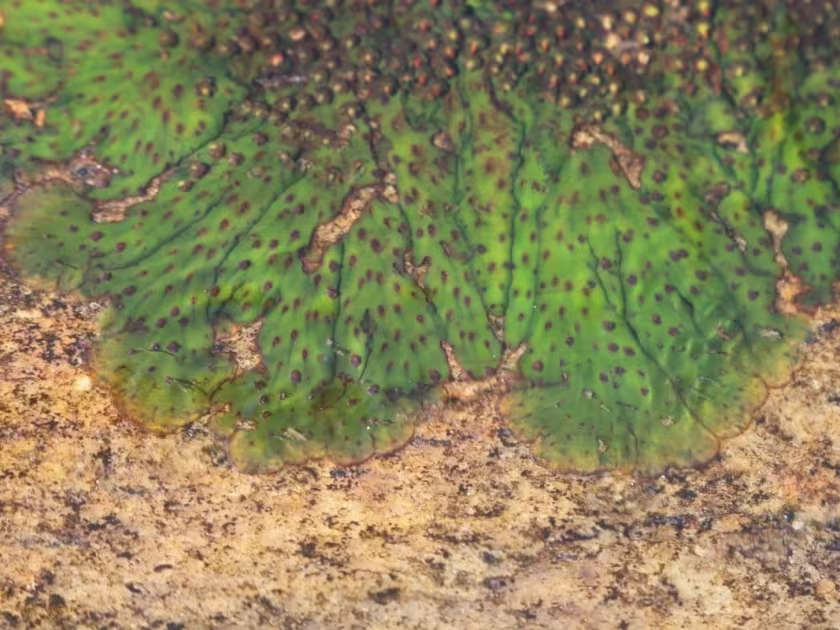
The plant is endemic to the Western Ghats region of India. It thrives in high-velocity mountain streams, where it anchors itself firmly to submerged granite rocks and boulders using specialized root-like structures known as haptors.
Botanically, it exhibits a thalloid habit, meaning its body is not differentiated into true leaves and stems in the traditional sense. Its olive-green appearance is a key adaptation to the filtered light conditions found at the bottom of fast-flowing tropical rivers.
The environmental requirements for this plant are extremely rigid. It demands high water oxygenation, low turbidity, and stable temperature regimes throughout the year. It cannot tolerate stagnant water or high sediment loads that result from upstream land disturbances.
While this plant lacks direct agricultural applications, it serves as a critical indicator species for the health of freshwater ecosystems. Conservationists monitor its population to assess the impact of environmental changes on Himalayan and Western Ghat river biodiversity.
Main diseases and pests
The primary threats to Zeylanidium olivaceum include habitat loss due to dam construction and deforestation. Alterations in river flow patterns frequently result in the physical detachment of the plants from their rocky substrates.
Pollution from agricultural runoff, particularly nitrogen and phosphorus, promotes the overgrowth of competing algae. This competition leads to the displacement of the plant from its specialized ecological niche within the riverbed.