
Zannichellia peltata
Zannichellia peltata
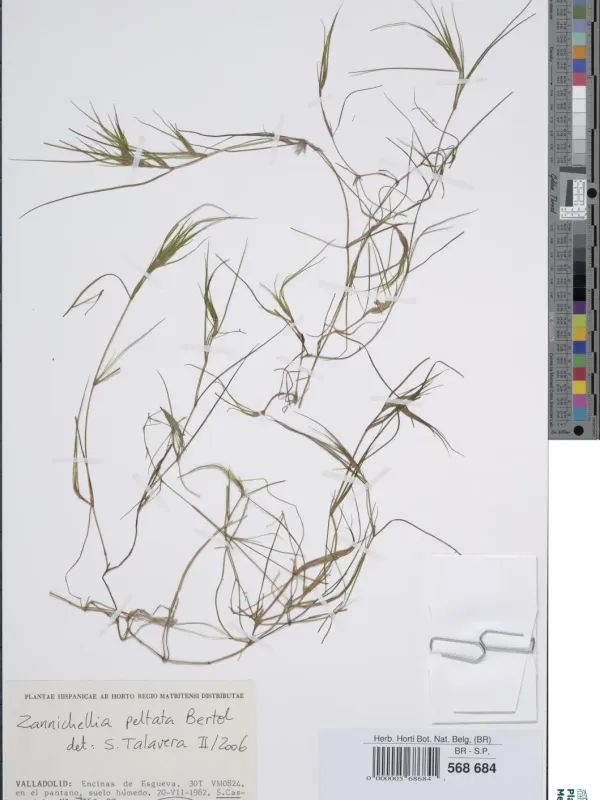
Description
Growing requirements
Zannichellia peltata is a perennial submerged aquatic plant belonging to the Potamogetonaceae family. It is widely distributed across temperate zones, primarily inhabiting freshwater systems such as rivers, ponds, and irrigation channels with slow-moving water.
Botanically, the plant is characterized by slender, filiform stems and opposite or whorled leaves. This specialized structure allows the plant to thrive underwater, facilitating the efficient uptake of nutrients and dissolved gases directly from the aquatic environment.
The growth requirements of this species include clean, well-oxygenated water with sufficient light penetration. As an aquatic macrophyte, it is highly dependent on water transparency to conduct photosynthesis effectively at various depths.
Regarding soil, the plant prefers muddy or sandy-silty substrates that provide a stable anchorage for its delicate root system. It thrives in environments where organic matter is available within the sediment layer, supporting continuous vegetative growth.
Climatic adaptability is a hallmark of Zannichellia peltata, as it is found in diverse geographic regions. However, it exhibits optimal development in water bodies where seasonal temperature fluctuations do not reach extreme values, allowing for a steady vegetative cycle.
Main diseases and pests
The primary threats to Zannichellia peltata populations include water pollution and eutrophication caused by agricultural runoff. Excessive nutrient levels lead to algae blooms, which block sunlight and cause the decline of submerged macrophytes.
Human activities such as channel dredging and riverbed cleaning pose direct physical threats. These processes destroy the habitat and remove the plants, making it difficult for the species to re-establish in heavily disturbed areas.
Invasive species represent a significant biological threat. Aggressive aquatic weeds can outcompete Zannichellia for space and light, rapidly altering the composition of the local plant community and reducing biodiversity.
Pathogenic organisms, specifically water-borne fungi, can affect the vitality of the plants, particularly during the hot summer months when water flow is reduced and temperatures rise. This leads to weakened stems and increased mortality.
Changes in hydrological regimes, such as water table drops or severe droughts, threaten the survival of these hydrophytes. As an obligate aquatic species, Zannichellia peltata cannot survive long-term desiccation and requires constant water coverage.