
Zaleya pentandra
Zaleya pentandra
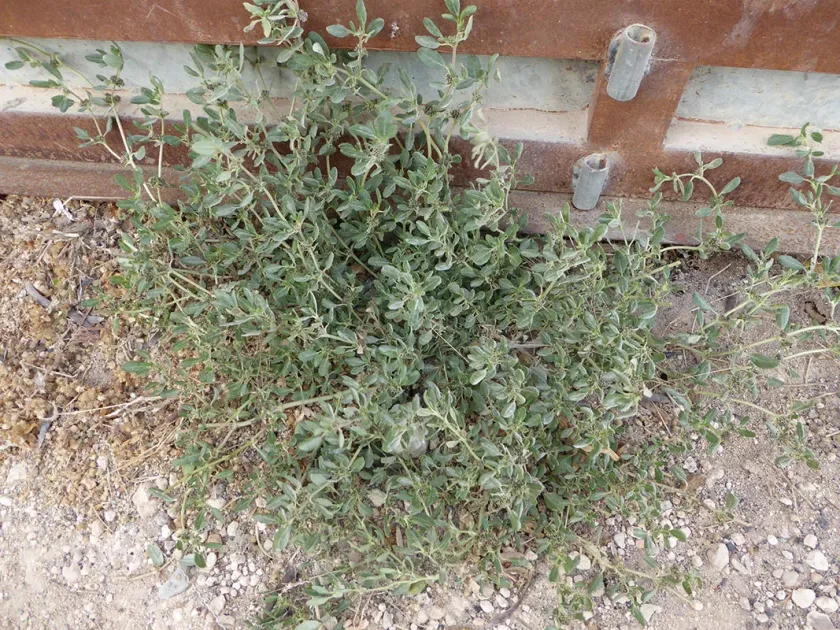
Description
Sowing dates
Zaleya pentandra is a drought-tolerant species that is typically sown at the beginning of the rainy season. The optimal sowing window occurs after the establishment of consistent rainfall when soil temperatures rise to 20–25 degrees Celsius.
To ensure uniform germination, seeds should be sown at a shallow depth, usually not exceeding 1–2 centimeters. Planting is generally performed in rows, which allows for mechanical weed control later in the growth cycle.
In arid farming conditions, it is crucial to maintain appropriate seeding rates, as excessive density leads to competition for limited soil moisture. With sufficient rainfall, germination occurs within 7–10 days, showing vigorous growth early on.
Proper seedbed preparation is vital, as the plant is sensitive to soil compaction. Rolling the soil after sowing improves seed-to-soil contact, which is essential for successful establishment in moisture-stressed environments.
In regions with bimodal rainfall patterns, a second sowing cycle is possible, allowing farmers to maximize the vegetative period and achieve two harvests of biomass within a single growing season.
Growing requirements
The crop belongs to the Aizoaceae family and is historically adapted to the hot, arid regions of Africa and Asia. It shows significant plasticity, successfully developing in sandy or loamy soils with low organic matter content.
Zaleya pentandra requires intensive sunlight and avoids shaded areas. It exhibits remarkable resistance to saline soils, making it a promising candidate for the reclamation of degraded agricultural lands.
The optimal temperature range for the plant's growth is between 25 and 35 degrees Celsius. Although it is a xerophyte, moderate moisture during the flowering and fruit-setting stages significantly improves final biomass yields.
Soil requirements include a neutral to slightly alkaline pH. The plant performs poorly in acidic substrates and waterlogged soils, which can trigger root rot in high-temperature climates.
The plant has low competitive ability against aggressive weeds during its early development stages. Intensive weeding is required until the plants are sufficiently established to suppress secondary vegetation on their own.
Yield
The primary use of Zaleya pentandra is the production of green forage for livestock. During drought years, it serves as a valuable emergency food source for cattle, goats, and camels in arid regions.
Yield depends directly on rainfall patterns and planting density, varying significantly based on soil fertility and management practices. Under favorable conditions, it forms a substantial volume of biomass quickly.
In addition to its role as fodder, the seeds have nutritional value and have been used as a supplemental food source during periods of grain shortages. The plant effectively accumulates essential minerals from the soil.
A key biological trait of this species is its ability to regrow quickly after harvesting. This allows farmers to schedule multiple cuts per season, providing a reliable feed supply throughout the dry months.
Yield potential can be enhanced by applying minimal organic fertilizers, which improve soil structure and water-holding capacity, ultimately supporting rapid leaf area development.
Main diseases and pests
Zaleya pentandra is naturally resilient to most common agricultural pests due to the specific chemical composition of its tissues. However, high humidity can promote the development of fungal diseases.
Root rot represents the primary threat, often occurring due to waterlogging or poor drainage. These infections can spread quickly through a field, causing wilting and significant stand loss.
Insect pests, such as locusts or specific larvae, may occasionally damage foliage, but large-scale outbreaks are rare. The wide geographic distribution of the plant helps it avoid intense pressure from specific insect populations.
To control diseases, it is recommended to implement crop rotation, avoiding continuous cultivation of Aizoaceae species on the same plot for multiple years, which effectively breaks the pathogen life cycle.
Preventive measures include the use of clean seed lots and prompt removal of weeds, which can serve as alternative hosts for viruses and insects capable of infesting Zaleya fields.
Harvesting
Harvesting is typically carried out before the stems become overly lignified, as the forage value decreases with plant maturity. The peak nutritional stage is during mass flowering.
The harvesting process involves mowing the above-ground biomass while leaving a 5–8 centimeter stubble, which is critical for stimulating regeneration and lateral shoot growth.
Collected biomass must be dried quickly to prevent spoilage and mold. Properly dried hay preserves its nutritional quality well, making it a practical option for winter feeding programs.
For seed production, harvesting occurs when the seed capsules turn dark. It is crucial not to delay the harvest to avoid excessive seed shattering and loss in the field due to environmental exposure.
Post-harvest processing involves cleaning seeds and drying them to a moisture content of 10–12%, which ensures high germination rates and long-term viability for future planting seasons.