
Yushania anceps
Yushania anceps (Mitford) W. C. Lin
Description
Growing requirements
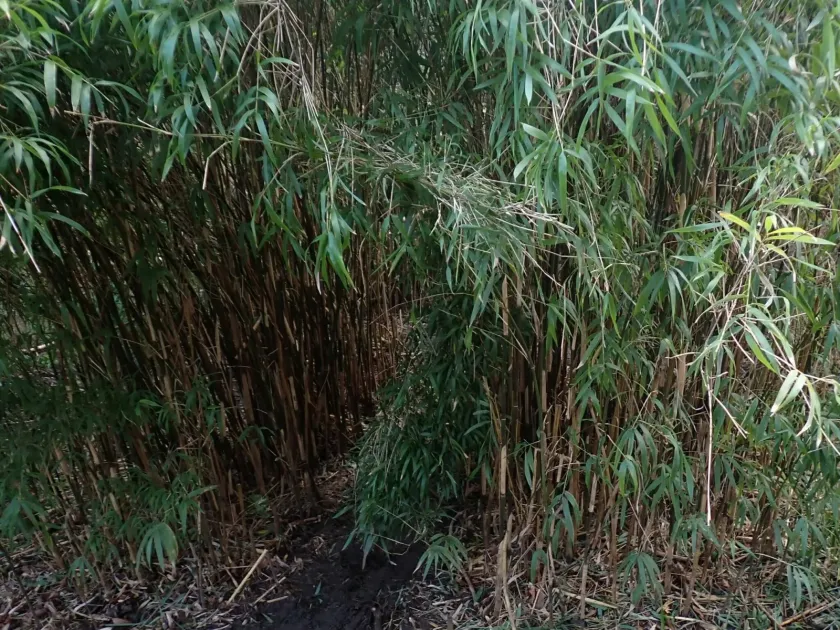
Yushania anceps is a graceful, evergreen bamboo species belonging to the Poaceae family. Known for its slender, nodding culms, it creates an elegant visual effect in both wild and cultivated settings.
Originally native to the Himalayan regions, this bamboo species is adapted to cooler, temperate climates. It performs best in areas with moderate rainfall and distinct, though not overly severe, seasonal changes.
For successful cultivation, the soil should be rich in organic matter and possess excellent drainage. While it enjoys consistent moisture, it is sensitive to waterlogged conditions that can cause root decay.
The plant requires a sheltered location away from harsh, drying winds which can scorch the foliage. Partial shade or dappled sunlight is considered ideal for maintaining its vibrant green color.
Adequate spacing between plantings is essential to ensure proper air circulation. This reduces the humidity around the foliage and prevents the development of various fungal pathogens.
Main diseases and pests
Pests such as spider mites are a common concern in environments with low humidity. Maintaining high air moisture around the plant can effectively prevent these infestations.
Fungal diseases like powdery mildew can occur if the plant is overcrowded. Proper spacing and ensuring good airflow are critical cultural practices to mitigate this risk.
Aphids occasionally target young, succulent shoots during the spring. Monitoring is important, as early intervention can prevent large-scale damage to the crop.
Root rot remains the most significant threat to the overall health of the plant. It is almost exclusively caused by overwatering or poor soil structure, highlighting the need for careful irrigation.
Maintaining balanced soil fertility through mulching or controlled fertilization helps the plant withstand stress. A healthy, well-nourished Yushania anceps is naturally more resistant to common pests.
Harvesting
The harvest of Yushania anceps for practical use typically involves selecting mature canes that have hardened. This ensures that the material is durable enough for crafting or construction purposes.
When harvesting, it is vital to use clean, sharp shears to avoid bruising the culms. Harvesting should be done selectively to allow the cluster to maintain its density and vigorous growth.
Post-harvest processing involves air-drying the canes in a well-ventilated area away from direct sunlight. This slow drying process prevents the culms from cracking or splitting prematurely.
Propagation is primarily carried out through rhizome division during the spring. This is the optimal time for the plant to establish new roots before the onset of the active growing season.
Routine maintenance includes the removal of old, dead, or diseased canes. This practice, often referred to as thinning, helps channel the plant's energy into new, healthy growth.