
Yellowroot
Xanthorhiza simplicissima
Description
Sowing dates
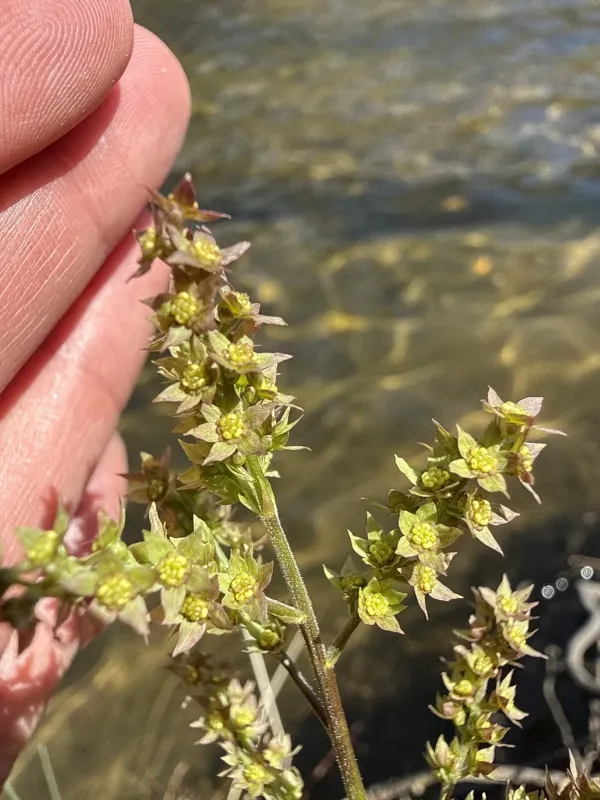
Yellowroot (Xanthorhiza simplicissima) is a deciduous subshrub belonging to the Ranunculaceae family. It is prized primarily for its rhizomes, which possess a brilliant yellow color and are rich in the alkaloid berberine, widely used in herbal medicine.
The standard agricultural propagation method is vegetative division of rhizomes. In early spring or late summer, gardeners and farmers divide the mature root systems, ensuring each segment has active buds to promote new growth.
Seed propagation is possible but less common due to the lengthy cold stratification required for germination. Seeds are typically sown in outdoor beds in the autumn, allowing natural winter temperatures to break their dormancy by the following spring.
When establishing a field, planting should occur with a spacing of 30–40 cm. This density encourages the plant’s natural tendency to spread via underground stolons, forming a solid, uniform mat that suppresses competing vegetation.
Planting depth is crucial, with rhizome segments placed 5–10 cm below the soil surface. Adequate moisture after planting is essential to ensure the rhizomes successfully establish themselves in the new environment.
Growing requirements
Yellowroot is a shade-loving species native to the moist understory of North American forests. Ideally, it should be grown in partial shade to dappled sunlight, as full sun exposure can lead to leaf scorch and reduced plant vigor.
The ideal soil is acidic to neutral, rich in organic matter, and consistently moist. While it requires humidity, excellent drainage is mandatory; waterlogged soil leads to root rot and can destroy the crop entirely within one season.
This shrub is remarkably cold-hardy, thriving in a variety of temperate climates. No special winter protection is needed for established plants, although mulching young plantations can help stabilize soil temperatures during the first winter.
Water management is the most important maintenance factor. Drip irrigation systems are recommended to keep the soil evenly moist during the growing season, preventing the stress associated with periods of drought.
Fertilization should focus on organic inputs. Incorporating compost or leaf mold into the soil before planting provides the necessary nutrients without altering the soil's structure, promoting the healthy development of the rhizomes.
Yield
Harvesting usually takes place 4 to 5 years after planting. By this stage, the rhizomes have reached their peak mass and concentration of alkaloids, making the harvest highly efficient for industrial or medicinal purposes.
The yield of dry rhizomes varies depending on the intensity of management, with optimal conditions yielding several tonnes per hectare. Digging should be conducted in late autumn or early spring when the plant is dormant.
Once harvested, the roots must be carefully washed to remove all soil particles. The drying process is critical; using controlled-temperature dryers at 40–50 degrees Celsius ensures the preservation of the chemical integrity of the berberine content.
In addition to its medicinal value, the plant is often utilized as a soil stabilizer on slopes. Its dense root network binds soil effectively, preventing erosion while simultaneously providing a secondary crop.
Quality control during harvesting and post-harvest handling is essential to maintain high market standards. Storage should occur in dry, dark, and well-ventilated areas to prevent mold or moisture absorption.
Main diseases and pests
Yellowroot is generally a low-maintenance crop with few natural pests. Most threats are environmental, primarily stemming from poor soil management or inappropriate moisture levels within the planting site.
Root rot, triggered by fungi such as Fusarium, remains the primary concern in damp, poorly drained soils. Improving soil porosity and ensuring that the water table is sufficiently low are the best preventative measures against these pathogens.
Pest issues are usually minor, occasionally involving aphids in early spring on tender new foliage. If infestation levels exceed economic thresholds, soft soaps or organic insecticidal sprays can be utilized to manage the populations.
Weed control is labor-intensive only in the first two years. Once the canopy of yellowroot closes, it is a highly effective competitor, successfully shading out most invasive grasses and weeds, which reduces the need for herbicides.
As a medicinal crop, the use of pesticides and synthetic fertilizers is highly discouraged. Farmers should prioritize integrated pest management (IPM) to ensure the final product meets the purity requirements for pharmacological extraction.