
Wulfenia carinthiaca
Wulfenia carinthiaca
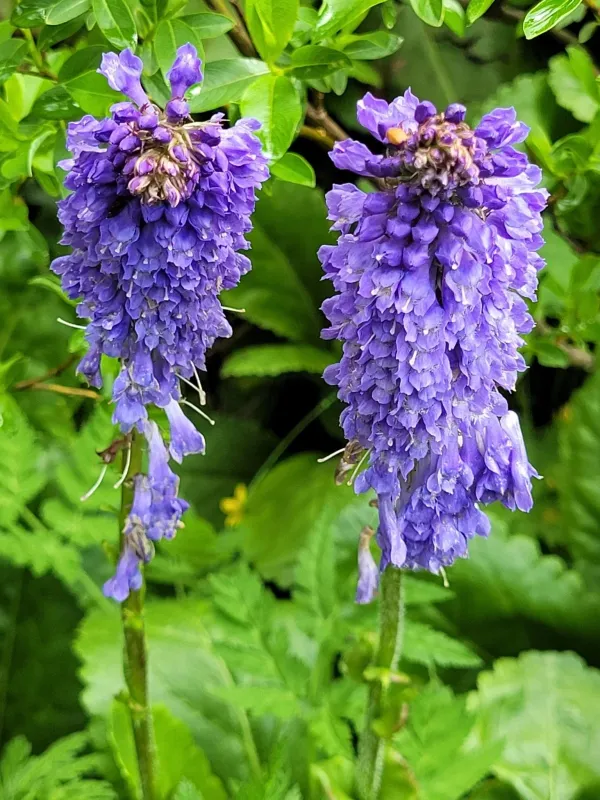
Description
Sowing dates
Propagation of Wulfenia carinthiaca is best achieved through seed sowing or careful division of mature clumps. Seeds require a cold stratification period of one to two months to break dormancy and ensure uniform germination.
Sow seeds in late autumn or early spring, placing them on a well-drained substrate without burying them too deeply. Light is essential for the germination process, so a light dusting of medium is sufficient for successful sprouting.
Division should be performed during the plant's dormant phase, usually in late summer or early autumn. Each divided section must possess a healthy root system and several viable growth points to ensure establishment.
When transplanting, maintain the original planting depth to avoid burying the crown, which can lead to rot. Provide consistent moisture to the newly planted specimens until they are fully settled into the soil.
Space the plants approximately 30 to 40 centimeters apart to allow for proper airflow. Proper spacing is a critical factor in preventing the development of bacterial and fungal issues in a garden environment.
Growing requirements
Wulfenia carinthiaca, belonging to the Plantaginaceae family, is a rare perennial endemic to the Eastern Alps. It features distinct glossy leaves and vibrant blue inflorescences, making it a prized ornamental in alpine-style gardens.
The plant thrives in cool, moist environments with nutrient-rich, well-draining soil. It prefers a neutral to slightly acidic pH and performs best in locations that provide partial shade, avoiding the harsh direct heat of the midday sun.
In terms of climate, it requires moderate temperatures and protection from extreme heat, which can lead to leaf scorching and plant stress. In warmer regions, additional shading and mulching are necessary to keep the roots cool.
Winter hardiness is robust, although the plant benefits from a light layer of protective mulch during winters with little snow. The primary goal in site selection is to mimic the conditions of its native high-altitude mountain slopes.
Avoid heavy chemical fertilization; a light application of organic-based, balanced fertilizer in early spring is sufficient. Over-fertilization can result in weak growth and reduced cold tolerance during the following winter season.
Main diseases and pests
Fungal pathogens are the primary concern for Wulfenia carinthiaca, especially in poorly drained soil or areas with stagnant air. Root rot is a common symptom of chronic waterlogging that can quickly kill the plant.
Slugs and snails frequently target the foliage during wet spells, often causing significant aesthetic damage. Implementing physical barriers or using pet-safe molluscicides can help manage these pests effectively.
Powdery mildew may occur if the plant is grown in overly crowded conditions with limited ventilation. Regular monitoring and the removal of affected leaves are recommended to contain the spread of the fungus.
Spider mites can become a nuisance during prolonged periods of drought and high heat. Increasing ambient humidity around the plant and ensuring adequate watering helps to deter mite infestations naturally.
Preventing soil-borne pests like wireworms involves thorough site preparation and regular weeding. Maintaining a clean growing environment significantly reduces the risk of long-term health issues for this sensitive alpine species.