
Japanese wisteria
Wisteria japonica
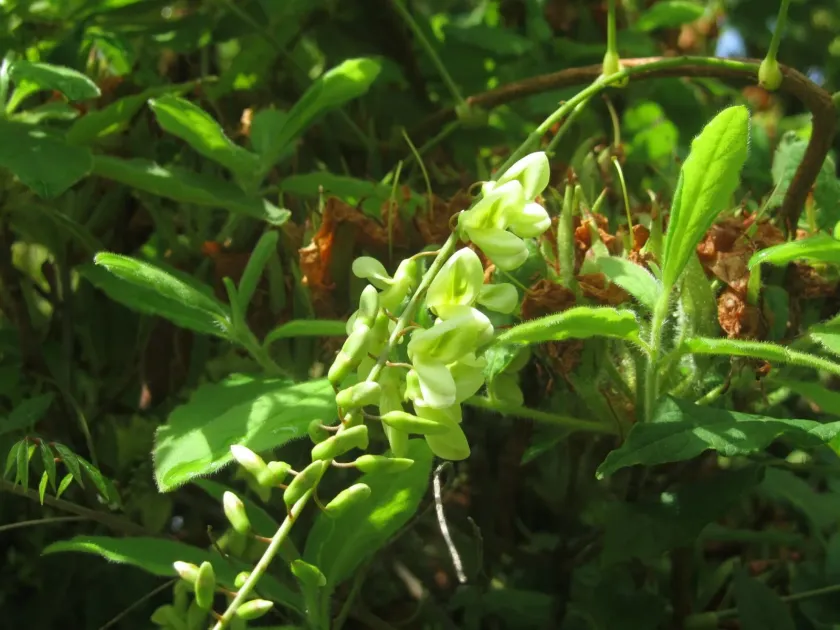
Description
Sowing dates
Propagation of Japanese wisteria via seeds is best performed in early spring after the seeds have undergone a cold stratification process. This method ensures better germination rates for the plant.
Vegetative propagation, such as layering or taking softwood cuttings, is recommended during late summer. This timing allows the plant to establish a sufficient root system before the onset of winter dormancy.
When planting nursery-grown specimens, it is essential to wait until all danger of frost has passed. Planting in mid-May usually provides the best chance for successful establishment.
Starting seeds in controlled greenhouse conditions from March allows for stronger seedlings. This head start is beneficial for regions with shorter growing seasons.
Proper spacing is crucial when planting multiple vines to ensure adequate air circulation and prevent overcrowding, which can hinder the growth of the woody stems.
Growing requirements
Japanese wisteria is a vigorous, deciduous woody vine belonging to the Fabaceae family. It is highly valued for its long, pendulous racemes of fragrant flowers that bloom in early summer.
This species requires a site with full sun to achieve its maximum flowering potential. While it can tolerate partial shade, the quantity and quality of blooms will be significantly reduced.
The ideal soil is fertile, deep, and well-drained. The plant thrives in loamy soils enriched with organic matter but will struggle in waterlogged or overly heavy clay conditions.
Japanese wisteria prefers slightly acidic to neutral soil pH. Alkaline soils may induce iron chlorosis, which stunts the plant's growth and causes leaves to turn yellow between the veins.
Regular pruning is necessary to manage the size and encourage floral bud development. Pruning is typically performed twice a year: once in summer after flowering and again in winter during dormancy.
Main diseases and pests
Aphids and spider mites are the most common pests that infest Japanese wisteria. These insects feed on the sap of young shoots and leaves, potentially weakening the entire vine.
Powdery mildew is a prevalent fungal disease characterized by a white, dusty coating on the leaves. It usually occurs in humid environments with poor air circulation around the canopy.
Root rot, often caused by species of Phytophthora, is a severe threat linked to excessive moisture and poor drainage. Once established, this condition is extremely difficult to manage.
Iron deficiency, or chlorosis, is a frequent physiological disorder. It is best managed by correcting the soil pH and applying chelated iron supplements to the roots.
Integrated pest management, involving regular monitoring and the use of horticultural oils, is the most effective way to keep the plant healthy throughout the growing season.