
Monopsis unidentata
Monopsis unidentata (W. T. Aiton) E. Wimm.
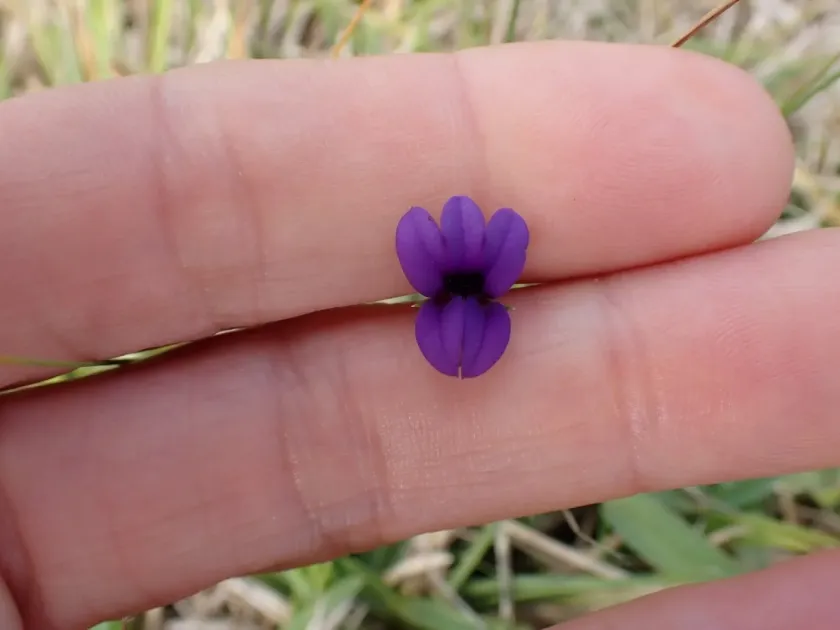
Description
Sowing dates
Monopsis unidentata is a charming ornamental species belonging to the Campanulaceae family, valued for its delicate flowers and aesthetic appeal.
Propagation is typically achieved through seeds, which should be sown indoors in late winter to ensure a long flowering period during the summer months.
The seeds are minute and require surface sowing on a moist, well-draining seed-starting mix, followed by light pressure to ensure good contact without burying them.
Maintaining a temperature of 18–22°C and high humidity under a transparent cover is essential for successful germination of this specific culture.
Seedlings are sensitive to transplant shock, so they should be hardened off gradually before being planted into their final outdoor locations after the last frost.
Growing requirements
The plant thrives in full sun but prefers partial shade in regions with extremely hot climates to prevent leaf scorching and excessive water loss.
Soil requirements include a rich, well-drained medium with a slightly acidic to neutral pH level to ensure optimal nutrient uptake and root health.
Regular irrigation is vital; the soil should be kept consistently moist to support the plant’s rapid growth, but drainage is crucial to prevent waterlogging.
Feeding the plants with a balanced liquid fertilizer during the growing season will encourage continuous blooming and vibrant foliage color throughout the summer.
Spacing plants correctly is necessary to ensure adequate airflow, which is the best defense against common cultural problems associated with high humidity.
Main diseases and pests
Fungal infections, such as powdery mildew or gray mold, can occur if there is insufficient air circulation or if the foliage remains wet for too long.
Root rot remains the most serious threat, caused primarily by poor drainage or overwatering, often requiring a total adjustment of the irrigation schedule.
Aphids are frequent pests that target the soft tissue of new shoots and flower buds, significantly reducing the plant's decorative quality.
Spider mites may manifest during dry spells, causing fine webbing and speckled leaves, which significantly weakens the overall vigor of the plant.
Proactive monitoring and the application of integrated pest management strategies are recommended to maintain plant health without damaging the delicate ecosystem.