
Monopsis lutea
Monopsis lutea Urb.
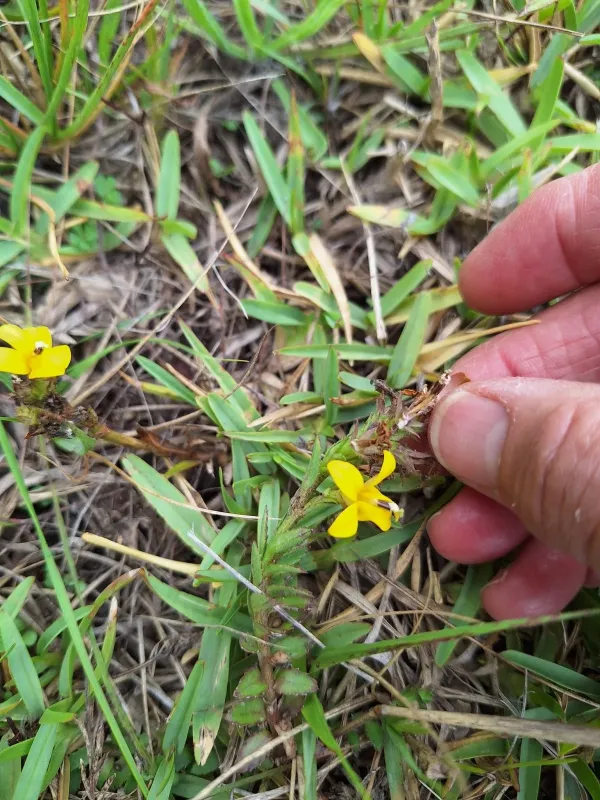
Description
Sowing dates
Monopsis lutea is an herbaceous plant belonging to the Campanulaceae family. While it is a perennial in its native habitat, it is typically cultivated as an annual in cooler temperate climates.
Sowing starts in late February or early March. Using high-quality seed-starting mix is essential to ensure proper germination and development of the delicate root system.
Seeds are extremely small and should be sown on the surface of the growing medium without covering them with soil. They require light to germinate, making a sunny windowsill or greenhouse setup ideal.
Seedlings are pricked out into individual containers once the first set of true leaves develops. This practice prevents overcrowding and encourages the development of a strong root system before transplanting.
Transplanting to the permanent location in the garden should only occur after the danger of frost has passed, usually once the soil temperatures have consistently stabilized in late spring.
Growing requirements
Monopsis lutea thrives in sunny locations that are protected from strong winds. A site with full sun to light partial shade is optimal for sustaining continuous flowering throughout the season.
The plant requires well-drained, fertile, and slightly acidic to neutral soil. Poorly drained soil will lead to immediate root distress and potential plant death due to lack of oxygen.
Regular but moderate watering is necessary. It is crucial to allow the top layer of soil to dry out slightly between waterings to maintain the health of the root structure.
Fertilization should be handled with care; using a balanced liquid fertilizer with lower nitrogen levels encourages better bloom production rather than excessive vegetative growth.
The plant prefers stable temperatures and does not perform well during prolonged extreme heatwaves without supplemental hydration and protection from direct midday sun.
Main diseases and pests
The most common pests affecting this species are aphids and spider mites, which tend to proliferate rapidly during hot and dry spells in the middle of summer.
Fungal issues, such as root rot and powdery mildew, are prevalent in environments with high humidity and poor air circulation. Proper spacing between plants is a vital preventative measure.
In cases of aphid or mite infestations, insecticidal soaps or systemic pesticides are recommended. It is important to treat both the upper and lower surfaces of the leaves.
Sanitation practices, such as removing fallen debris and dead foliage, are essential to reduce the risk of harboring fungal spores or overwintering pests in the planting area.
Consistent monitoring of the plants allows for early detection of issues, making management much simpler and preventing the need for broad-spectrum chemical applications.