
Whitesloanea crassa
Whitesloanea crassa
Description
Growing requirements
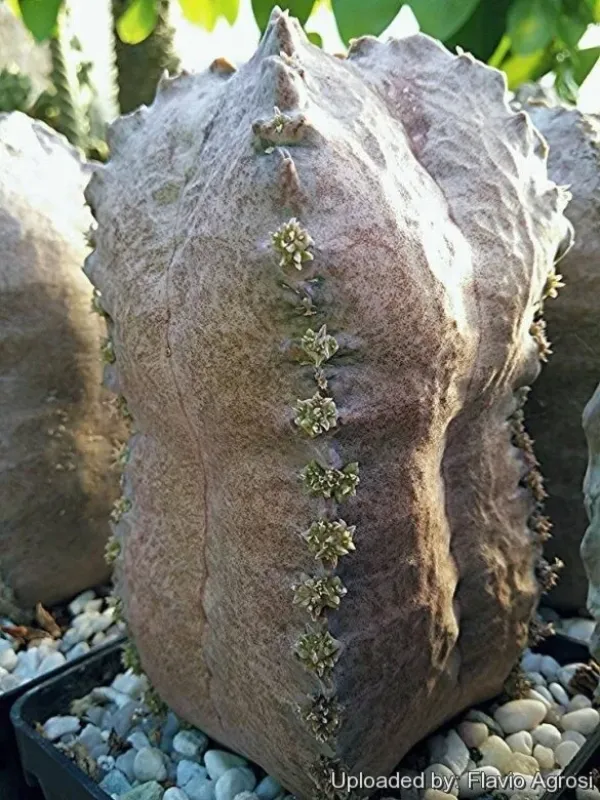
Whitesloanea crassa is a distinctive succulent belonging to the Apocynaceae family. This monotypic genus is highly regarded in the horticultural world due to its rare status and unique morphological appearance.
Originating from the island of Socotra, this plant is naturally adapted to harsh, rocky environments. Its cultivation requires replicating these arid conditions to ensure long-term plant survival.
The ideal growing medium must be highly mineral-based and fast-draining. Organic components should be avoided, with a preference for pumice, volcanic rock, or sharp sand to prevent moisture retention near the roots.
Temperature management is critical; during the summer growth phase, it requires warm temperatures between 25°C and 30°C. Conversely, a distinct winter rest period with cooler temperatures is necessary to stimulate vitality.
Light intensity should be high but indirect. While the plant thrives in bright conditions, excessive heat and intense direct afternoon sun can damage the epidermal tissues, necessitating appropriate shading solutions.
Main diseases and pests
Root and stem rot are the primary threats to Whitesloanea crassa, usually stemming from improper watering practices. Even slight moisture stagnation can lead to rapid decay of the succulent tissue.
Mealybugs are the most common pest that infests this species. Due to the plant's structure, they often hide in crevices, requiring thorough inspection and the application of targeted systemic pesticides.
Spider mites can become an issue in environments with low air circulation and low humidity. Regular monitoring and maintaining proper ventilation are essential preventative measures against these pests.
Secondary infections often follow pest damage or physical injuries. It is vital to maintain a clean environment and avoid mechanical damage during repotting or routine maintenance procedures.
If rot is detected, immediate surgical excision of the diseased tissue is mandatory. The remaining healthy plant must be kept dry and allowed to heal before resuming any watering schedule.