
Hymenachne amplexicaulis
Hymenachne amplexicaulis (Rudge) Nees
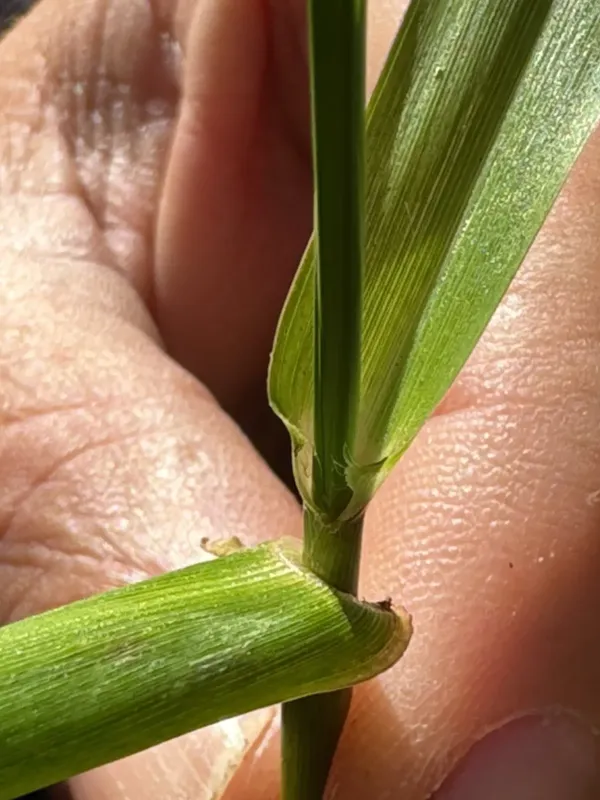
Description
Growing requirements
Hymenachne amplexicaulis is a perennial herbaceous plant belonging to the Poaceae family, recognized as a typical hydrophyte. The crop is native to tropical regions of Central and South America, thriving in wetlands, floodplains, and along the banks of various water bodies.
This plant possesses high adaptability to flooded conditions, capable of growing directly in standing or slow-moving water. Optimal growing conditions include high ambient temperatures and abundant solar radiation, making it strictly dependent on a tropical climate.
The plant has no specific chemical requirements for soil, but high moisture retention or constant water saturation is a critical factor for its survival. It develops successfully in silty, organic-rich soils that are subject to seasonal flooding.
Biologically, the species features a robust root system capable of keeping the plant afloat or anchored in waterlogged substrates. Stems can reach significant heights and often root at the nodes upon contact with moist ground, which facilitates rapid vegetative spread.
Despite its high ecological plasticity, the crop cannot withstand prolonged drought periods or extremely low temperatures. In temperate regions, cultivation is impossible without specialized greenhouse facilities utilizing advanced hydroponic systems.
Yield
The agricultural use of Hymenachne amplexicaulis is primarily concentrated in the fodder production sector. In countries with suitable climates, it is valued as a highly productive source of green mass, suitable for cattle grazing or hay harvesting during the dry season.
The biomass of the plant offers good nutritional profiles for herbivores, particularly for water buffalo and beef cattle. Because it thrives in environments unsuitable for traditional agricultural crops, it significantly enhances the productivity of flooded pastures.
Yields of green biomass correlate directly with irrigation regimes and photosynthesis rates. Under optimal conditions, the plant demonstrates phenomenal regeneration speeds after mowing, allowing for multiple harvest cycles within a single season.
An important aspect is that in some parts of the world, this plant is considered an invasive species. Its rapid growth and aggressive ability to occupy territories require strict agronomic control to prevent the clogging of irrigation channels and the disruption of natural ecosystems.
The economic efficiency of this crop lies in minimal maintenance costs. As a perennial plant, it does not require annual tillage, which reduces the overall cost of producing forage raw materials in the long term.
Main diseases and pests
Typical pests of Hymenachne include various insect species that feed on the succulent stems and leaves of tropical grasses. In conditions of high humidity, the plant may also be susceptible to specific fungal diseases that develop when natural aeration is restricted.
The primary threat to the stability of stands is the spread of water-borne pathogens. Excessive pest proliferation can lead to a decrease in the nutritional value of the biomass, making regular monitoring of the phytosanitary status of the fields a mandatory step in the agrotechnology.