
Watsonia fulgens
Watsonia fulgens
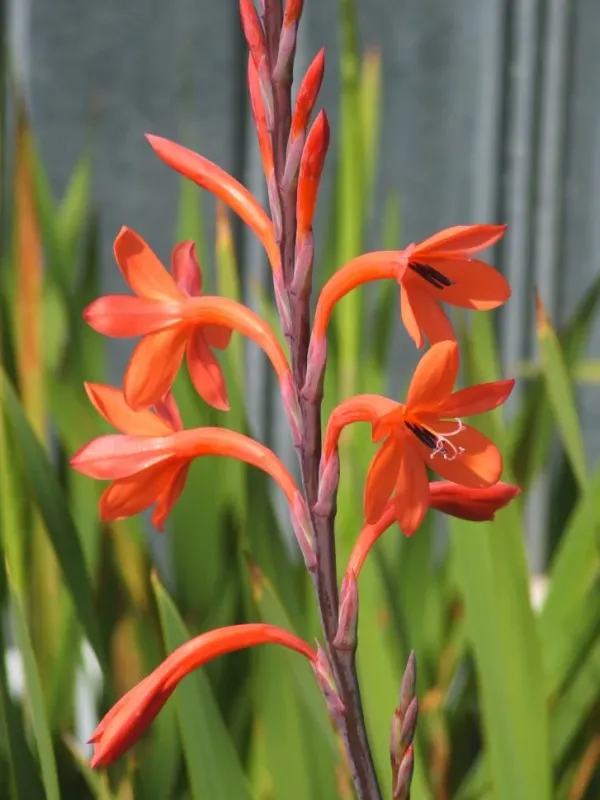
Description
Sowing dates
Watsonia fulgens is a perennial cormous plant belonging to the Iridaceae family. In regions with temperate climates, the corms are planted in spring once the soil temperature consistently reaches 10–12°C. For optimal growth, corms should be planted at a depth of 8–10 cm in well-prepared, loose soil.
To encourage earlier blooming, corms can be pre-started in containers indoors during March. These started plants should be transplanted into the garden only after all danger of frost has passed. Planting density should be maintained at a spacing of 20–25 cm between plants to ensure adequate nutrient access and proper air circulation.
The planting site must be carefully selected and prepared. The soil should be porous and rich in organic matter to support the corm’s development. In heavy clay soils, incorporating coarse sand or perlite is essential to prevent water accumulation, which can lead to corm rot. Effective drainage is a critical success factor for this species.
While autumn planting is possible in mild climates, spring remains the standard practice for most areas to avoid winter damage. The chosen location must be shielded from high winds, which can easily damage the tall, slender flower spikes. Choosing a sheltered yet sunny spot will significantly improve the stability and performance of the plants.
The active growing season occurs throughout spring and summer, requiring consistent soil moisture and high light intensity. After the flowering cycle completes, the foliage eventually yellows and enters dormancy. Proper planting timing allows the plant to complete its full life cycle before the onset of cold weather or dormancy periods.
Growing requirements
Watsonia fulgens thrives in full sunlight and requires a location that receives at least 6–8 hours of direct light daily. Insufficient light levels often result in weak, spindly flower stalks and diminished bloom quality. High solar exposure is vital for the plant to store sufficient energy in the corm for the following season.
The soil should ideally be neutral to slightly acidic, rich in nutrients, and well-draining. During the active growing phase, regular watering is necessary to support the rapid development of stems and flowers. However, waterlogging must be avoided, as it creates an anaerobic environment that fosters fungal growth and corm decay.
Nutrient management is key to sustained flowering. Regular fertilization with a balanced, high-potassium, and high-phosphorus fertilizer promotes large, vibrant flower spikes. Nitrogen application should be moderate and limited to the early vegetative stage, as excessive nitrogen can favor leafy growth at the expense of bloom production and corm health.
In colder regions, the corms are not frost-hardy and must be lifted for winter storage. The harvested corms should be cleaned, dried, and stored in a cool, dark, and well-ventilated area, typically between +5°C and +8°C. Keeping them in dry peat or sawdust helps maintain proper moisture levels and prevents desiccation during storage.
Crop rotation is an essential agronomic practice when dealing with Iridaceae species to avoid soil-borne pathogens. Avoiding sites previously occupied by other members of this family reduces the risk of long-term disease buildup. With proper site selection and soil management, the plants remain vigorous and productive for several years.
Main diseases and pests
Fungal pathogens such as Fusarium and Botrytis (grey mold) are significant threats to Watsonia fulgens, particularly in humid or poorly ventilated conditions. Fungicidal treatment of corms before planting or storage is a standard preventive measure. Removing and destroying any infected plant material immediately helps maintain the health of the remaining stock.
Common pests like thrips and spider mites often target the foliage, sucking cell sap and weakening the plant. This leads to stippling, yellowing, and leaf deformation. Regular monitoring and the application of systemic insecticides, when necessary, can effectively control these populations and prevent damage to the photosynthetic structures.
Nematodes can infest the root system, causing stunted growth and poor vitality. Since soil-borne pests are difficult to eradicate once established, prevention through soil sterilization and the use of certified healthy corms is preferred. Maintaining healthy soil structure and avoiding stagnant water significantly discourages many soil-dwelling pests.
Slugs and snails may damage young succulent shoots during the spring. Implementing physical barriers, such as copper tape or organic baits, effectively protects young plantings. Keeping the surrounding area free of weeds and debris eliminates hiding spots for these mollusks, further reducing the incidence of damage.
Professional agronomic management involves constant observation and early intervention. Any discoloration or structural change in the leaves should be treated as an early warning sign of potential disease or pest pressure. Maintaining clean tools and following strict hygiene practices is fundamental to preventing the spread of diseases within the garden or nursery.
Harvesting
Harvesting the corms is performed in autumn once the foliage has naturally turned yellow and withered. The plants are carefully dug out to avoid mechanical injury to the corms. After harvesting, they are cleaned of excess soil and allowed to air-dry in a shaded, ventilated area to cure properly before storage.
Once dried, the corms should be inspected, sorted, and separated from the daughter cormlets, which serve as propagation material. Applying a protective fungicidal dip or powder at this stage is recommended to minimize rot during the dormancy period. Proper curing is the most effective way to ensure long-term storage success.
When harvesting for floral production, the spikes should be cut when the bottom-most buds begin to open. This stage provides the best balance between bloom longevity in the vase and the plant’s ability to recover. It is essential to leave enough healthy foliage on the plant to allow the corm to regenerate for the next season.
Commercially, harvest involves grading the flower spikes by stem length, color uniformity, and bloom count to meet market standards. Standardized harvesting practices ensure that the product reaches the consumer in prime condition, enhancing the commercial value of the crop. Careful handling at every stage reduces post-harvest losses.
Finally, labeling and maintaining records during the harvest allow for better planning for the next planting cycle. Accurate documentation of varieties and yields helps agronomists optimize future inputs and maximize production efficiency. Systematic harvest procedures are integral to sustainable cultivation and profitable floral production.