
Watsonia fergusoniae
Watsonia fergusoniae
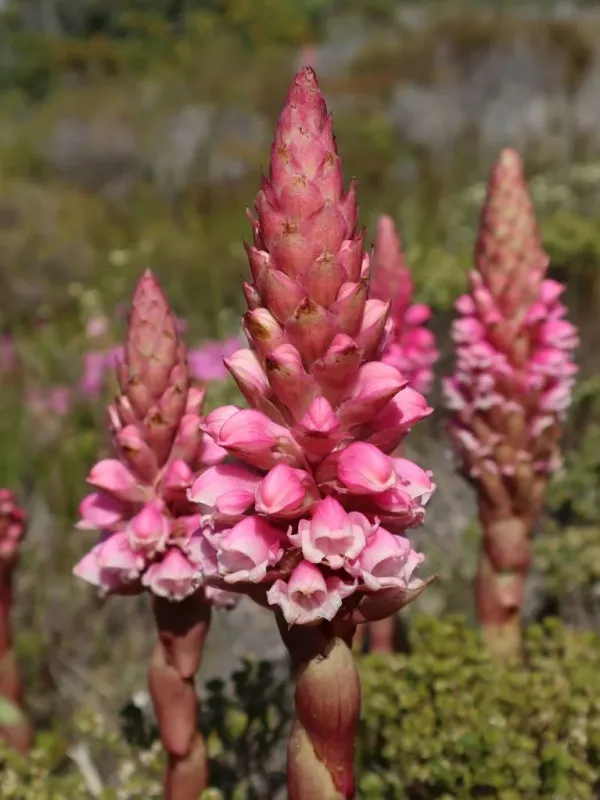
Description
Growing requirements
Watsonia fergusoniae is a perennial bulbous plant belonging to the Iridaceae family. It originates from the Western Cape province of South Africa, where it thrives in sandy, well-drained habitats typical of the Cape Floristic Region.
This species requires full sun exposure to trigger optimal flowering. In cultivation, it performs best in positions where it can receive direct light for most of the day, away from competition with aggressive, taller vegetation.
The soil profile must be extremely well-drained. Sandy loams are preferred, as stagnant water is lethal to the corms. Growers often incorporate grit or perlite into the planting hole to ensure proper drainage during the wet winter months.
Climatic conditions for Watsonia fergusoniae should ideally mimic its Mediterranean-like origin. It requires a distinct dry resting period after the foliage dies back to ensure the corm matures properly for the next season.
In ornamental horticulture, the plant is valued for its elegant, sword-like foliage and spikes of funnel-shaped flowers. It is widely used in xeriscaping and as a feature plant in managed perennial garden beds.
Main diseases and pests
The most significant threats to Watsonia fergusoniae are fungal root and bulb rots caused by Phytophthora or Pythium species in poorly drained soils. Prevention involves careful water management and planting in raised beds.
Insects such as red spider mites and aphids are common pests during dry, warm weather. Gardeners should employ integrated pest management strategies, utilizing horticultural oils or targeted insecticides to protect the foliage and developing buds.