
Watsonia densiflora
Watsonia densiflora
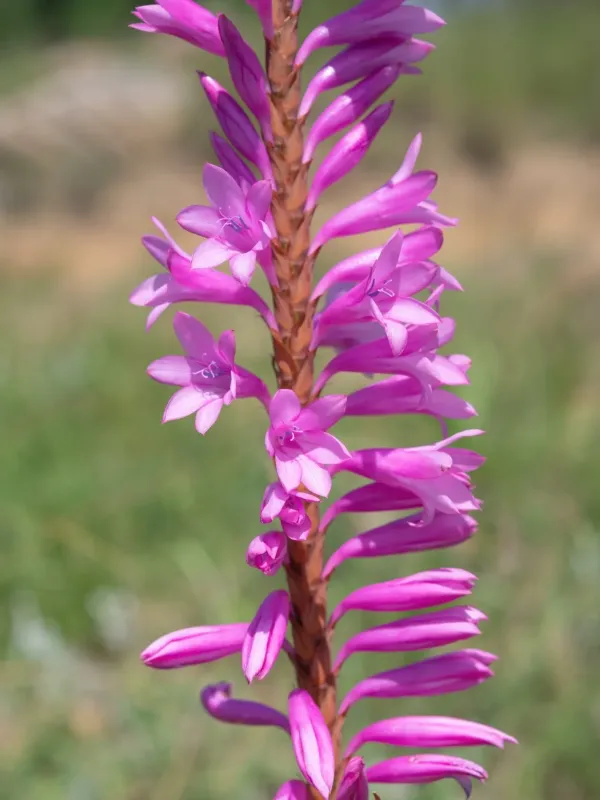
Description
Sowing dates
Corms should be planted in early spring once the risk of severe ground frost has passed. The soil temperature should be consistently above 10 degrees Celsius to promote rapid root establishment.
Planting depth should be approximately 8 to 10 centimeters, depending on the size of the corm. Spacing between individual plants is recommended at 20 centimeters to allow for adequate airflow and plant development.
Pre-treating corms with a specialized agricultural fungicide is a standard practice to ensure protection against soil-borne pathogens during the critical early stages of germination and growth.
In cooler climates, growers often start the plants in containers under glass before transplanting them to the final location. This technique extends the growing season and ensures higher survival rates for the bulbs.
Regular fertilization with a balanced, slow-release nutrient formula is beneficial. Applying fertilizers with higher phosphorus and potassium levels during the bud development phase enhances bloom quality.
Growing requirements
Watsonia densiflora is a distinct species of cormous plant belonging to the Iridaceae family. Native to the grasslands of South Africa, this plant is valued for its dense, colorful spikes of tubular flowers that provide excellent vertical interest in garden beds.
This species requires a site with full sun exposure to thrive and produce vigorous flower spikes. Sufficient sunlight is essential to stimulate the physiological processes necessary for the development of robust corms for the following season.
The soil must be well-drained and fertile, enriched with organic matter. Waterlogged conditions are highly detrimental to Watsonia densiflora, often leading to rapid decay of the root system and corm rot, especially during the dormant season.
Climatic adaptability of this species is moderate. While it prefers a climate with clear seasonal patterns, it is not frost-hardy in temperate regions. Consequently, in areas with freezing winters, corms should be lifted and stored indoors.
Botanically, the plant features sword-shaped leaves and a sturdy stem that can reach heights of over one meter. Its adaptation to seasonal rainfall regimes makes it a resilient plant when given appropriate moisture management during the active growth cycle.
Main diseases and pests
The primary threats to Watsonia densiflora are fungal infections such as Fusarium wilt and crown rot. These are primarily caused by excessive soil moisture and inadequate drainage in the planting area.
Pests such as thrips and spider mites can be problematic during hot, dry weather. These insects feed on plant sap and can cause significant damage to foliage, thereby reducing the plant's overall energy storage.
Weed management is a crucial cultural practice. Weeds compete for water and nutrients and create a microclimate with high humidity around the base of the plant, which promotes the growth of harmful bacteria and fungi.
Viruses can also affect this species, often transmitted by sap-sucking insects. Prevention relies on controlling insect populations and using certified virus-free planting material to maintain the health of the collection.
Effective chemical management involves the use of systemic insecticides and fungicides, provided they are applied according to safety guidelines for horticultural use to minimize environmental impact.
Harvesting
Harvesting the corms for storage occurs in late autumn. This should be timed to follow the natural senescence of the foliage, ensuring that nutrients have fully translocated back into the corm for the dormant period.
Carefully lift the corms from the ground using a garden fork, avoiding physical damage. Remove excess soil gently and allow the corms to air-dry in a shaded, well-ventilated location for several weeks to prevent rotting.
After the curing process, clean the corms by removing old skins and offsets. The offsets can be separated and stored as separate planting units for multiplication purposes in the next season.
Storage should be conducted in a cool, dark, and dry environment. Placing the corms in trays filled with dry peat or sand helps regulate humidity and provides an additional barrier against potential decay.
Regular monitoring of stored corms throughout the winter is vital. Promptly discarding any specimens showing signs of soft rot prevents the spread of infection to healthy, dormant bulbs.