
Wallichia disticha
Wallichia disticha
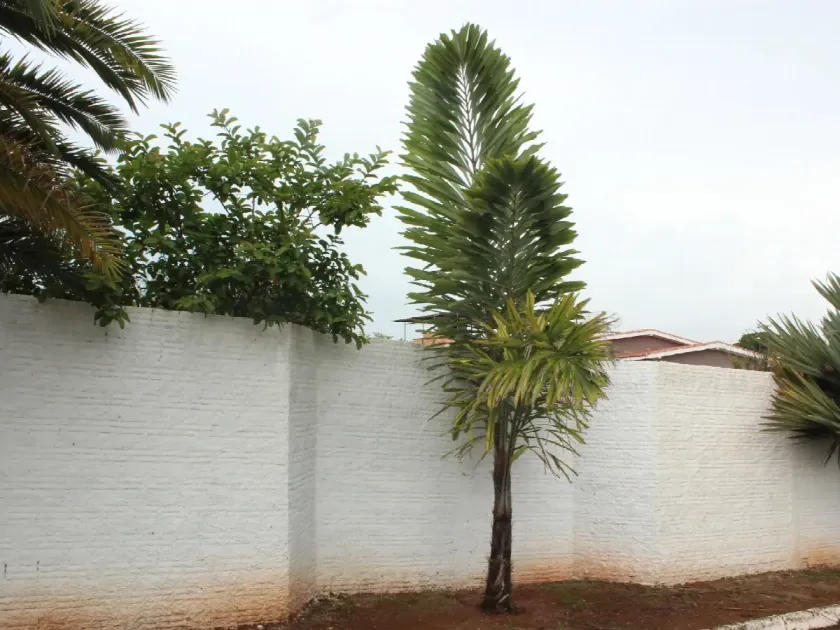
Description
Growing requirements
Wallichia disticha, commonly known as the Fishtail Wallichia, is a distinctive species of palm in the Arecaceae family. It is renowned for its unique, distichous leaf arrangement, where the fronds grow in two opposite ranks, creating a striking fan-like appearance.
Native to the Himalayan foothills and Southeast Asia, this palm thrives in humid, shaded forest environments. In cultivation, it requires a shaded position, as direct sunlight can easily damage the delicate foliage and inhibit proper growth.
Climate requirements include high air humidity and protection from cold temperatures. It is not frost-tolerant and should be kept in environments where temperatures remain consistently between 20°C and 28°C to mimic its tropical native range.
The growing medium must be rich in organic matter and exceptionally well-draining. A mix of peat-based potting soil, perlite, and coarse sand provides the necessary aeration while allowing the soil to retain enough moisture for the roots without becoming waterlogged.
Due to its relatively compact nature compared to other palms, it is an excellent choice for interior landscapes, conservatories, or shady patio areas in warm climates. Proper container size is essential to support its moderate root development.
Main diseases and pests
Common pests affecting Wallichia disticha include spider mites, mealybugs, and scale insects. These pests often flourish in dry, poorly ventilated indoor environments, making regular inspection and proper air circulation vital for maintaining plant health.
Fungal diseases, specifically root rot, are the primary threat to the plant's health, usually caused by overwatering or inadequate soil drainage. Such conditions quickly lead to the decline of the root system, which is often reflected by yellowing or browning leaves.
To prevent these issues, ensure that the pot has sufficient drainage holes and that excess water is removed from the tray. Allowing the top inch of the soil to dry slightly between waterings can significantly reduce the risk of rot.
Nutrient deficiencies, particularly involving micronutrients like iron or magnesium, can cause chlorosis. Maintaining a balanced fertilization schedule during the growing season helps the plant resist various stressors and keeps the leaves vibrant and strong.
If an infestation is identified, it is recommended to treat the plant with appropriate horticultural soaps or systemic insecticides. Always isolate affected plants to prevent the spread of pests to other parts of your collection.