
Vouacapoua americana
Vouacapoua americana Aubl.
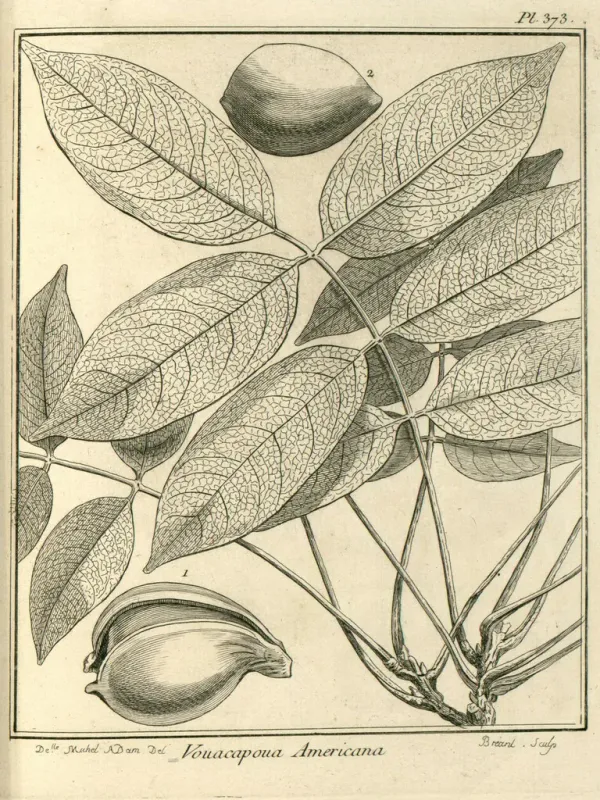
Description
Growing requirements
Vouacapoua americana, commonly known as Acapu, is a tropical tree species belonging to the Fabaceae family. It is recognized for its massive growth habit and highly durable, rot-resistant wood which is harvested for various structural applications.
The tree is native to the Amazon rainforest, thriving in equatorial conditions characterized by high humidity and consistent rainfall throughout the year. It prefers well-drained, nutrient-rich clay soils found on plateaus.
Cultivation requirements include a warm climate where temperatures rarely drop below 20°C. Sunlight management is critical, as young saplings require partial shade to mimic the forest canopy before they reach maturity.
The agronomy of this species involves slow-growing nursery practices, often requiring 1-2 years of development before transplanting into permanent plots. Careful soil preparation is essential to prevent water logging.
Economically, this species is highly significant in the timber industry. Its wood is considered one of the most durable in the world, often used as a sustainable alternative to threatened tropical hardwoods in outdoor construction.
Main diseases and pests
The species faces biological threats primarily from fungal pathogens that target the root systems in areas with poor drainage and insufficient soil aeration.
In forest nurseries, caterpillars and leaf-mining insects can significantly reduce the photosynthetic capacity of seedlings, necessitating an integrated pest management approach.
Illegal logging and forest conversion represent the most severe threats to the natural populations of Vouacapoua americana, leading to habitat fragmentation.
Preventative measures against threats include maintaining appropriate plant spacing to ensure airflow and performing regular inspections for early signs of disease.
Management of the soil chemistry and pH levels helps maintain the tree's natural resilience against environmental stressors and potential pathogens.