
Vochysia tucanorum
Vochysia tucanorum
Description
Growing requirements
Vochysia tucanorum is a tropical tree species belonging to the Vochysiaceae family. It is native to the savannahs and semi-deciduous forests of South America, particularly throughout Brazil, where it thrives in seasonally dry climates.
The plant is highly adapted to acidic, nutrient-poor, and deep-draining soils. It serves as a resilient species that can effectively utilize low phosphorus levels, making it a viable candidate for land restoration projects in tropical regions.
This species requires full sun exposure for optimal vegetative development. While it is tolerant of seasonal droughts, young plants need consistent moisture supply during the first few years to establish a healthy root system.
Botanically, the tree is characterized by a sturdy, straight trunk and leathery leaves that help reduce water loss during the intense heat of the dry season. It can reach significant heights in its natural habitat.
Agricultural management requires careful attention to soil drainage. Waterlogging is detrimental to the health of the plant, as it promotes root rot and limits oxygen availability in the soil, hindering overall vigor.
Yield
The primary economic value of Vochysia tucanorum lies in its high-quality timber. The wood is widely appreciated for its moderate density, ease of processing, and stability, which makes it suitable for fine cabinetry and construction.
In forestry plantations, the growth rate is considered efficient, allowing for a steady production of biomass. Proper spacing and soil management can accelerate the time required for trees to reach commercial harvest size.
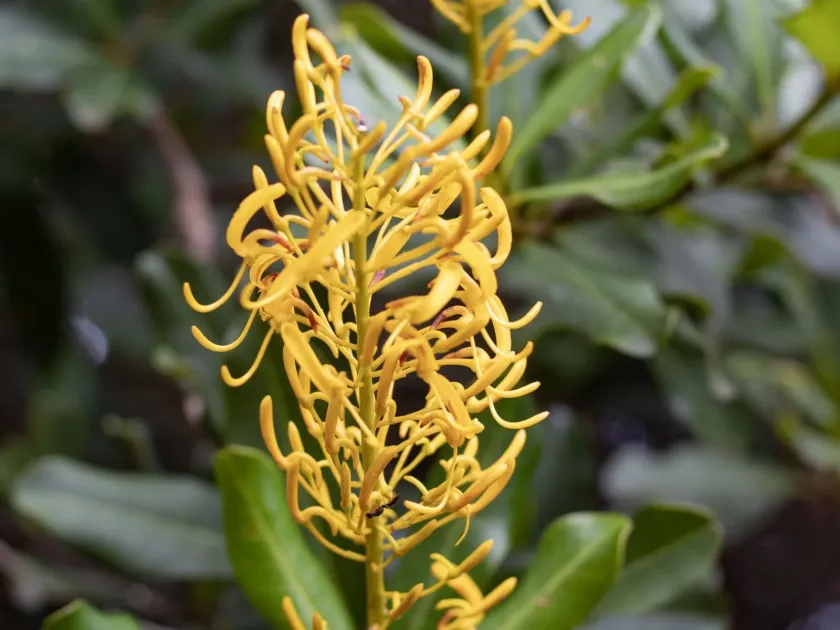
The tree also provides significant ecological benefits. Its flowers are highly attractive to local pollinators, making it an excellent choice for agroforestry systems that aim to support regional biodiversity.
Processed lumber from this species is known for its durability in interior applications. It finishes well, allowing for various industrial uses in the furniture market where aesthetic appeal is as important as durability.
Sustainable harvesting techniques ensure that yield is maintained without degrading the land. Integrating this species into mixed-use plantations maximizes the overall return on investment for landowners.
Main diseases and pests
Fungal pathogens represent the most significant threat to the health of the plantation, especially in areas with poor drainage. These infections primarily target the root structure, leading to stunted growth or tree death.
Various insect pests, including leaf miners and wood-boring beetles, can negatively impact biomass production. Integrated pest management strategies, such as biological monitoring, are essential for maintaining plantation health.
Wildfires pose an extreme danger to the crop. Because young Vochysia tucanorum trees have relatively thin bark, they are sensitive to high temperatures, necessitating the maintenance of firebreaks around growing areas.
Competition from aggressive grasses and weeds is a critical factor during the establishment phase. Keeping the area clear of competing vegetation is mandatory for ensuring the survival of young seedlings in their first season.
Soil compaction can lead to suboptimal growth conditions. Regular cultivation or mulching around the base of the trees helps maintain soil structure, improving gas exchange and water penetration for deeper roots.