
Vochysia guatemalensis
Vochysia guatemalensis
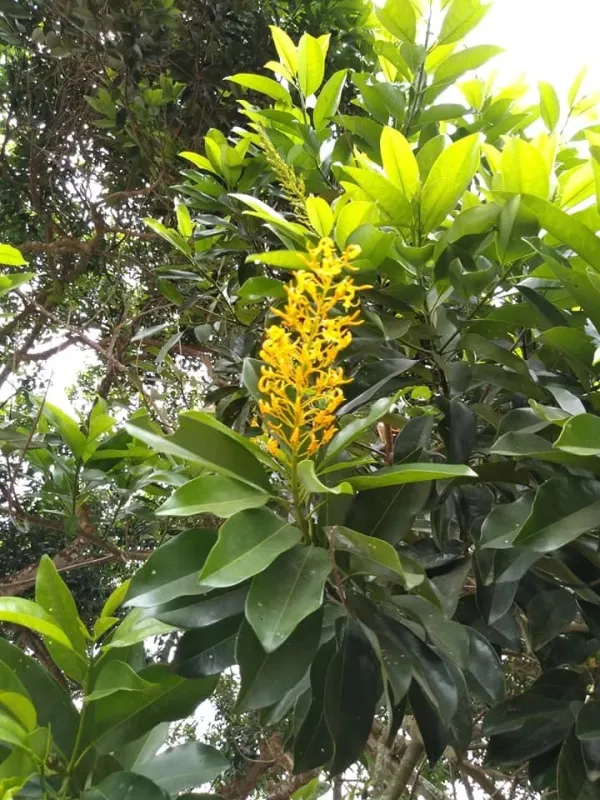
Description
Growing requirements
Vochysia guatemalensis is a large evergreen tree belonging to the Vochysiaceae family, widely recognized for its rapid growth in tropical environments.
Native to Central and South America, the species thrives in humid tropical forest regions, extending from Mexico to parts of Colombia and Venezuela.
This tree demands high annual rainfall and consistent, warm temperatures throughout the year to maintain its optimal metabolic activity and growth rate.
Regarding soil requirements, it prefers well-drained, deep, and nutrient-rich substrates, often thriving in alluvial areas that provide constant moisture without stagnation.
As a silvicultural crop, it is highly valued for reforestation projects due to its ability to quickly close the canopy, effectively shading out competitive weeds.
Yield
The primary economic output of Vochysia guatemalensis is its light-colored, moderately dense timber, which is highly prized in the furniture industry.
The wood is known for being easy to work with, exhibiting good finishing properties that make it suitable for carpentry, light construction, and plywood production.
In addition to timber, the tree serves as an essential component in agroforestry systems, providing shade for companion crops and helping to stabilize the soil structure.
The tree's rapid maturation allows for shorter harvest cycles compared to other tropical hardwood species, increasing the financial feasibility for plantation owners.
It also serves as a significant honey plant, providing nectar that supports local apiculture industries within its native distribution range.
Main diseases and pests
Seedlings are particularly susceptible to various insect pests that can defoliate the young plant, potentially stunting its height development in early stages.
Fungal pathogens targeting the root system present a risk, especially in plantations where soil drainage is inadequate or water logging occurs periodically.
Maintaining biological diversity within the plantation is crucial, as monocultures are more vulnerable to widespread outbreaks of specific pests or diseases.
Environmental stress, such as prolonged drought periods, can significantly affect the growth performance of this species despite its tropical nature.
- Regular monitoring for defoliating insects
- Proper site preparation and drainage management
- Implementation of integrated pest management strategies