
Voacanga africana
Voacanga africana
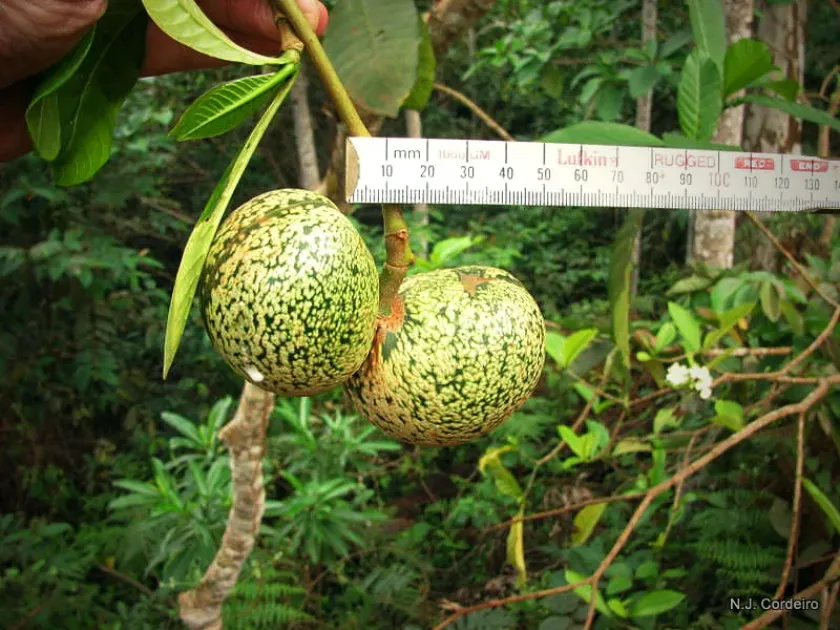
Description
Growing requirements
Voacanga africana is a significant tropical tree belonging to the Apocynaceae family. Native to the rainforests of West and Central Africa, it is widely recognized for its botanical role as a source of medicinal compounds found throughout its bark, roots, and seeds.
To successfully cultivate this species, growers must replicate its natural tropical environment. It thrives in regions with consistently high temperatures between 22°C and 30°C. The plant is extremely sensitive to cold and cannot tolerate frost, necessitating greenhouse cultivation in non-tropical climates.
Soil requirements for Voacanga africana include high organic content, good drainage, and a slightly acidic to neutral pH. Because the plant is native to moist tropical forest floors, the soil must be kept consistently damp without becoming waterlogged, which can lead to rapid root deterioration.
Light exposure is another critical factor; while the plant requires ample light to produce its characteristic white flowers, direct, harsh sunlight can scorch its broad leaves. Partial shade or filtered light conditions are ideal for maintaining the health and vigor of the canopy during the growing season.
The primary economic value of the tree lies in its alkaloid content. It serves as a botanical raw material for the pharmaceutical industry, particularly for the extraction of compounds that influence neurological function. Its cultivation is specialized, often focused on meeting research and medicinal production demands.
Main diseases and pests
Common pests affecting Voacanga africana include mealybugs and spider mites, which frequently infest plants in greenhouse environments with low humidity. Regular leaf washing and the use of insecticidal soaps are recommended as part of an integrated pest management strategy.
Root pathogens and various fungal wilts pose the most significant risk to the plant's long-term health. Over-irrigation without adequate drainage often triggers the development of these soil-borne diseases. Maintaining proper substrate aeration is the most effective preventative measure against such threats.