
Satureja-leaved speedwell
Veronica saturejoides
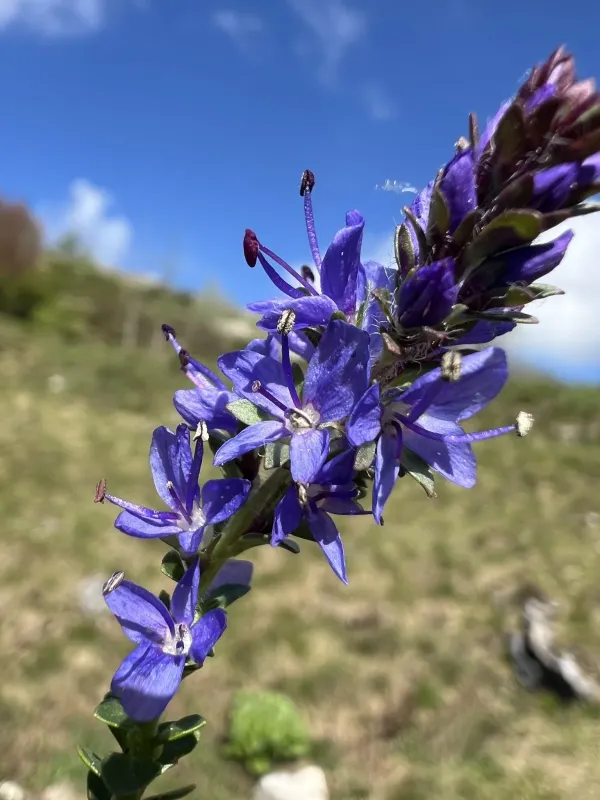
Description
Growing requirements
Veronica saturejoides, commonly known as Satureja-leaved speedwell, is a low-growing herbaceous perennial plant belonging to the Plantaginaceae family. Native to the Balkan Peninsula, it is naturally adapted to mountain environments, including rocky slopes and alpine meadows.
This species is highly prized for its prostrate, mat-forming habit, which makes it an excellent candidate for rock gardens and crevices. It performs best in full sun, where the plant can maintain its characteristic dense structure and produce an abundance of blue flowers.
Regarding soil requirements, the plant demands well-draining substrate. It is highly intolerant of waterlogged conditions, which can lead to root rot. Sandy or gritty soils with a slightly alkaline to neutral pH are considered ideal for its development.
Agrotechnical management is relatively straightforward as the plant is drought-tolerant once established. It does not require frequent fertilization, as excessive nutrients can cause the plant to become leggy and lose its compact, attractive form.
The primary horticultural use of Veronica saturejoides is for ornamental purposes. It is widely used in landscaping to cover bare soil in rockeries, create stone-wall plantings, and serve as a drought-resistant groundcover in Mediterranean-style gardens.
Main diseases and pests
The most significant threat to Satureja-leaved speedwell is fungal infection, particularly root rot induced by excessive soil moisture or poor drainage. Proper site selection is the best preventative measure against these soil-borne pathogens.
Pests such as aphids and spider mites can occasionally affect the foliage, especially during hot and dry spells. Regular inspection is recommended, and if an infestation occurs, it should be treated with insecticidal soaps or specific horticultural oils.
Slugs can also pose a minor threat to the plant's succulent foliage, particularly in humid climates. Maintaining a clean garden bed by removing leaf litter and debris helps to reduce the habitat suitable for these common garden pests.
Powdery mildew can sometimes appear if the plant is grown in areas with poor airflow and high humidity. Ensuring adequate spacing between plants and avoiding overhead watering helps to keep the leaves dry and healthy.
Overall plant health is best maintained by observing good cultural practices. Preventing mechanical damage and ensuring the plant is not buried under mulch allows the crown to breathe and reduces the susceptibility to opportunistic diseases.