
Round-leaved speedwell
Veronica rotunda
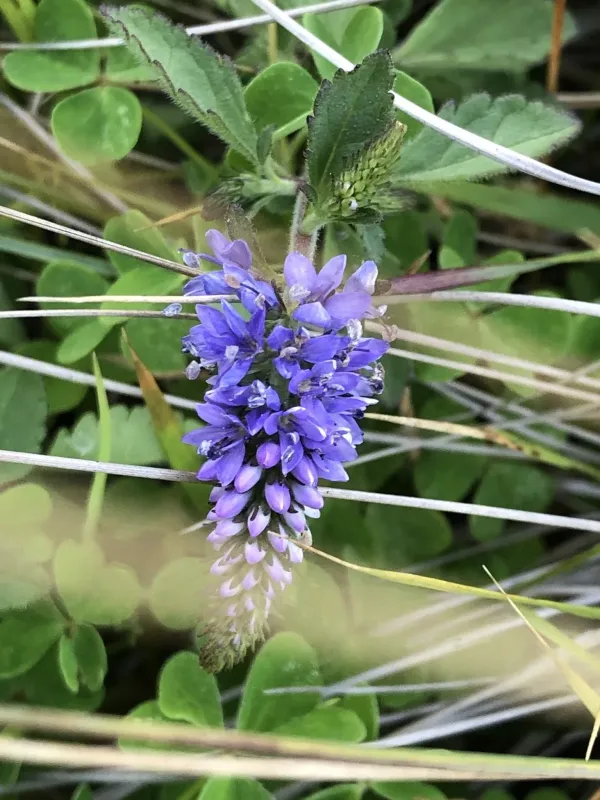
Description
Sowing dates
Veronica rotunda is typically propagated via seeds, which are sown either in late autumn for natural stratification or in early spring under controlled conditions.
Seedlings should be prepared in specialized nursery trays using a nutrient-rich, well-draining substrate to ensure vigorous early development of the plants.
The optimal sowing depth is approximately 0.5 to 1 cm, ensuring that the seeds are covered lightly and provided with consistent moisture during the germination period.
When transferring to open fields, maintaining a uniform spacing of about 20-25 cm allows each individual plant sufficient space to develop its full architectural structure.
Strategic placement in fields with proper exposure to sunlight is crucial for achieving high-quality yields and minimizing the risk of growth retardation.
Growing requirements
This species thrives in temperate climates and prefers well-structured, loamy soils that possess a balanced combination of fertility and moisture retention.
Soil pH should ideally be neutral or slightly acidic; managing these levels is essential for maximizing the nutrient uptake capacity of the root system.
Regular irrigation is required during the initial growth phases, especially if rainfall is insufficient, to support the establishment of deep, healthy root networks.
Adequate air circulation within the canopy is a critical environmental requirement to prevent the buildup of stagnant humidity around the stems and leaves.
While relatively hardy, the plant benefits from mulching or organic amendments during preparation, which helps maintain stable soil temperatures throughout the year.
Yield
The total biomass yield of Veronica rotunda depends heavily on the timing of harvests and the maintenance of optimal soil nutrient levels across the growing season.
Maximum productivity is typically achieved by the second or third year, as the root system becomes fully established and better equipped to support biomass production.
Farmers should target harvest periods that coincide with the plant's peak flowering phase to ensure the highest concentration of phytochemicals in the harvested material.
Consistent agricultural management practices, including selective weeding and targeted fertilization, contribute significantly to maintaining stable and profitable yield figures.
Data indicates that well-managed, non-competitive environments allow this crop to produce dense foliage, which is highly desirable for large-scale agricultural usage.
Main diseases and pests
Fungal diseases, particularly those related to damp conditions, represent a significant threat to crop health and can lead to reduced yield quality.
Pest infestations, including various species of aphids and foliage-feeding insects, must be managed through vigilant scouting and, if necessary, biological control.
Stagnant water in poorly drained soil is a major risk factor for root-related decay, which can rapidly compromise the integrity of the entire plantation.
Weed competition during the early vegetative stages is a persistent challenge that necessitates frequent mechanical intervention to preserve the health of the speedwell.
Integrated pest management protocols, focusing on prevention and early detection, remain the most effective strategy for ensuring the long-term viability of the crop.
Harvesting
Harvesting should be performed systematically, using clean tools to slice the stems without causing excessive damage to the base of the plant.
Post-harvest handling is critical; harvested materials must be quickly moved to a shaded, well-ventilated area to prevent degradation of active compounds.
Drying processes should be conducted at low temperatures to ensure the preservation of the plant's structural and chemical properties for market requirements.
Post-harvest field management includes clearing away debris to promote healthy regrowth and to prepare the field for the subsequent vegetative cycle.
Proper storage in breathable, moisture-resistant packaging ensures that the quality of the harvested product remains intact until it reaches the end user.