
Rakaiensis veronica
Veronica rakaiensis
Description
Growing requirements
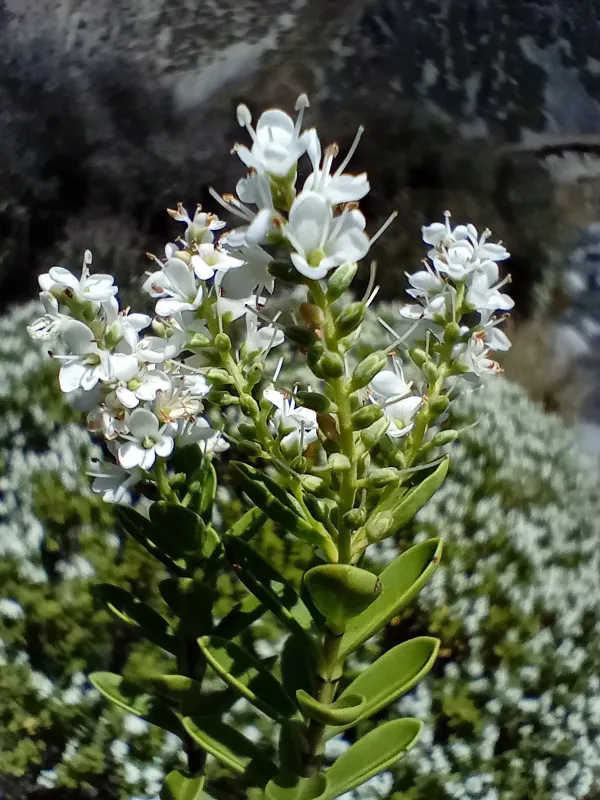
Rakaiensis veronica is a hardy, evergreen shrub belonging to the Plantaginaceae family, native to New Zealand. It is highly regarded in landscaping for its neat, compact habit and dense, small foliage that maintains its green color throughout the year.
The plant thrives in well-drained, fertile soil. It is intolerant of waterlogged conditions, which makes site preparation essential. Incorporating organic matter and coarse grit into the planting hole will ensure optimal root development and drainage.
It prefers full sun exposure to maintain its dense growth, although it can tolerate partial shade in warmer climates. Providing a sheltered position away from harsh, drying winds helps to prevent leaf scorch and branch damage during the winter months.
Watering should be managed carefully, as the plant is relatively drought-tolerant once established. Consistent moisture is required during the first growing season, but the soil should be allowed to dry out slightly between waterings thereafter.
Pruning is a crucial part of the maintenance cycle for this cultivar. A light trim in late spring, after the risk of severe frost has passed, promotes a fuller shape and encourages vigorous growth for the coming season.
Main diseases and pests
While Rakaiensis veronica is generally robust, it may face specific health challenges when grown in poor conditions. Proper cultural practices are the first line of defense against potential diseases.
Root rot is the most common issue, typically resulting from overly heavy, poorly draining soils or excessive irrigation. Improving soil structure and avoiding overhead watering are effective ways to mitigate this risk.
Fungal infections such as leaf spot can occur if humidity levels are high and air circulation around the plant is restricted. Ensuring adequate spacing between plants allows for better ventilation, reducing the moisture buildup that favors fungi.
Pests like aphids or scale insects may occasionally infest the foliage, particularly on young, soft growth. Early detection and the use of insecticidal soaps are generally sufficient to manage these infestations without harming the plant.
Winter damage, such as dieback caused by extreme cold or dehydration, can occur in exposed sites. Applying a layer of mulch around the base of the plant helps to stabilize soil temperatures and retain moisture during cold spells.