
Veronica glauca
Veronica glauca
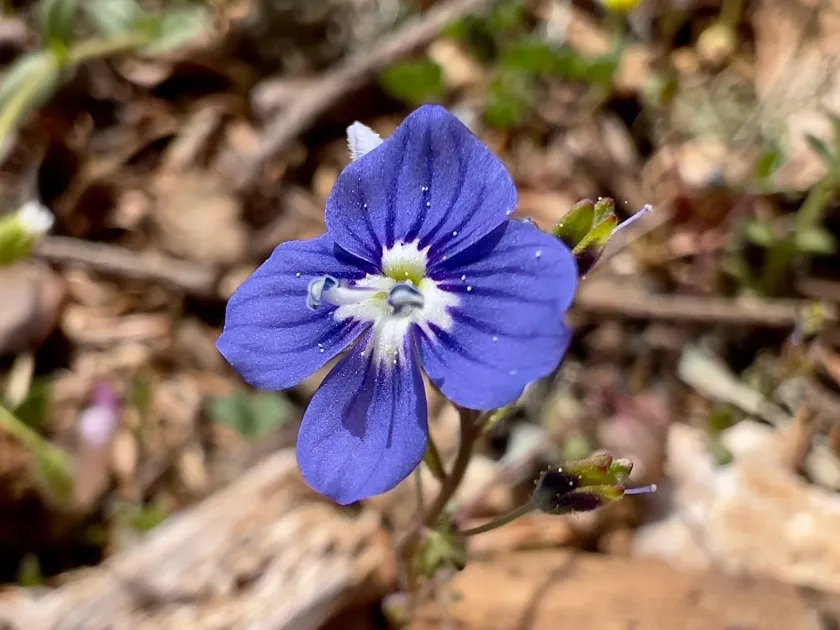
Description
Sowing dates
The propagation of Veronica glauca is typically performed via seed sowing in early spring or during the late autumn period. For outdoor cultivation, seeds should be sown in a prepared, fine-textured seedbed to ensure proper contact with the soil.
When starting indoors, seeds require shallow placement, barely covering them with a light layer of soil, as they need light to germinate efficiently. Maintain a consistent ambient temperature between 18 and 20 degrees Celsius for optimal germination.
Moisture control is paramount during the first weeks of the seedling stage. Using a fine mist for watering helps prevent the displacement of small seeds and maintains the necessary humidity in the upper soil layers.
Transplanting should occur once the risk of frost has passed. Young plants should be hardened off gradually over two weeks before being moved to their final outdoor location to prevent transplant shock.
The spacing between plants must allow for adequate airflow, which is critical for disease prevention. Recommended spacing is approximately 20–25 centimeters between individual plants in a garden bed setting.
Growing requirements
Veronica glauca is a herbaceous member of the Plantaginaceae family, distinguished by its unique glaucous foliage and delicate floral structure. It is natively found in Mediterranean regions, indicating a preference for temperate climates.
Light intensity is the most critical environmental factor for this species. Full sun exposure is required to maintain the plant's characteristic silvery-blue foliage and to ensure vigorous flowering throughout the season.
Well-draining, gritty, or sandy soils are ideal for Veronica glauca. The plant is drought-tolerant once established but struggles in heavy, waterlogged soils where root rot can develop rapidly.
Regarding soil fertility, Veronica glauca performs best in soils with moderate nutrient levels. Excess fertilization should be avoided as it encourages soft, vegetative growth that is more susceptible to environmental stress.
The plant is highly adaptable to various soil pH levels, thriving in both neutral and slightly alkaline conditions. During winter, it requires minimal intervention, provided the drainage remains effective.
Main diseases and pests
Fungal pathogens are the primary threat to Veronica glauca, particularly in humid or stagnant air conditions. Powdery mildew often appears as a white coating on the leaves, reducing the plant's photosynthetic capacity.
Root rot, often caused by overwatering or poor soil drainage, poses a significant risk. Symptoms include yellowing leaves and a general decline in plant vigor, often leading to the death of the root system.
Pests such as aphids and leaf-eating caterpillars may target the tender foliage during the spring growth flush. Vigilance and early detection are key to managing these infestations without heavy chemical use.
Cultural practices, such as pruning back spent flower stalks and clearing debris around the base of the plant, can significantly reduce the overwintering sites for both pests and disease spores.
If chemical intervention is necessary, targeted systemic fungicides or mild insecticides applied according to the manufacturer's instructions are effective in restoring the health of the plant population.